 blog
Gourmet Meal Prep for Busy Families: A Practical Guide
Table of Contents
- Why Gourmet Meal Prep Works for Busy Families
- Family Meal Prep Ideas That Actually Save Time
- Meal Planning for Busy Families: Start With Your Week
- How to Store Prepared Meals for Maximum Freshness
- Best Way to Reheat Prepared Meals While Preserving Quality
- Customizing Meals for Different Tastes and Dietary Needs
- Making Gourmet Meal Prep Affordable and Sustainable
- Frequently Asked Questions
Last Updated: October 12, 2026
Why Gourmet Meal Prep Works for Busy Families
Gourmet meal prep for busy families transforms weeknight stress into simplicity. At Leo's Gourmet Market, we understand that quality and convenience don't have to compete.
Busy families want quality meals but lack the time to cook from scratch every evening.
The approach works because it separates two tasks that usually collide: you cook when you have time and energy, then eat when you're tired and hungry.
Family Meal Prep Ideas That Actually Save Time
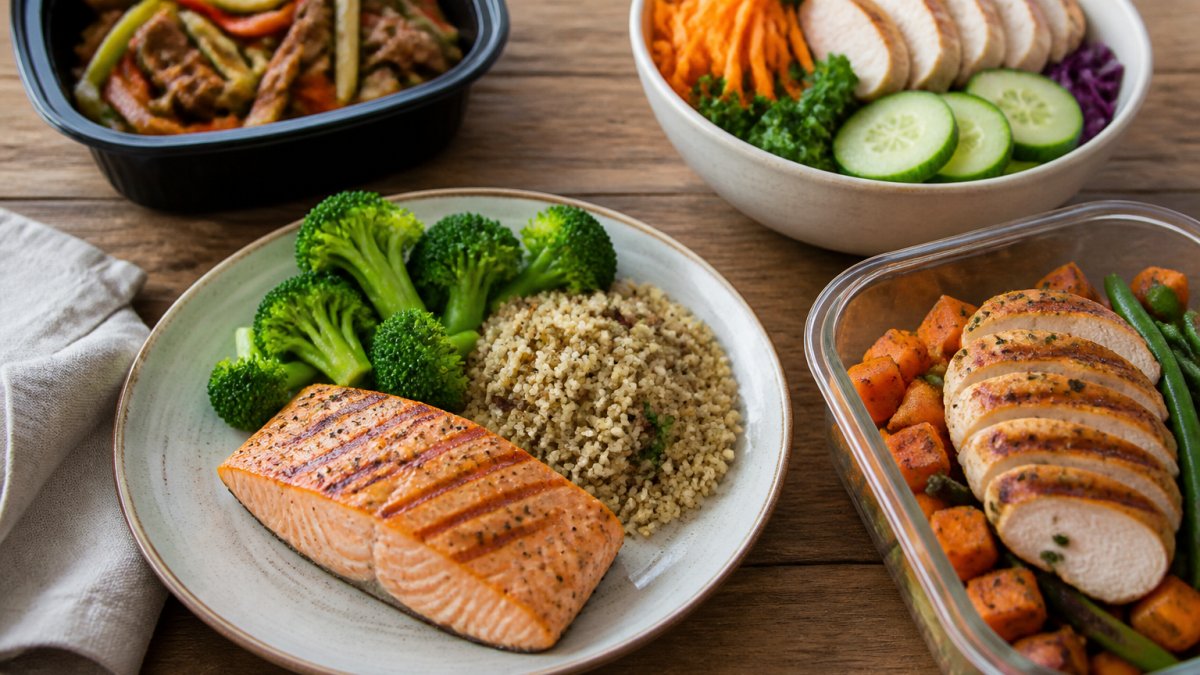
The best gourmet meal prep for busy families focuses on components, not finished dishes. Cooking proteins, grains, and vegetables separately creates dozens of meal combinations from one prep session.
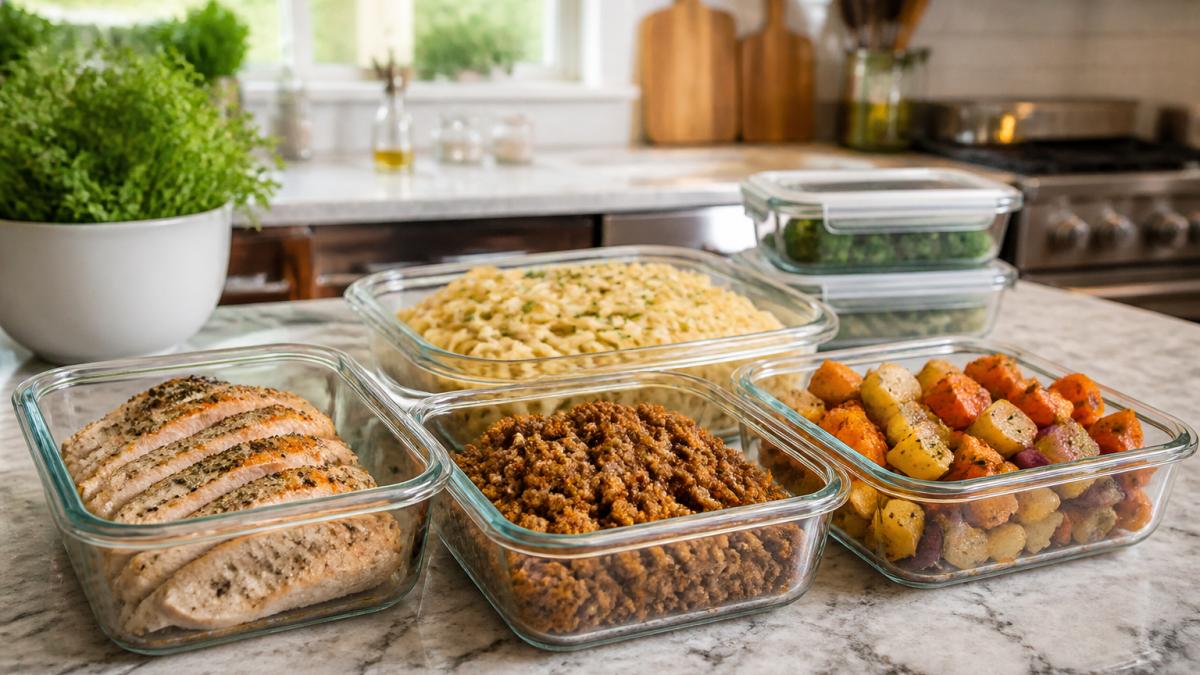
Batch-Cooked Proteins and One-Pot Meals
Proteins anchor every meal. Cook several at once: roasted chicken breasts, ground pork for tacos or pasta sauce, shrimp for stir-fries.
The advantage is flexibility: roasted chicken becomes Mediterranean with olives and feta, Asian-inspired with ginger and soy, or Mexican with lime and cilantro, so you're not locked into the same meal four times.
Batch-cooking proteins cuts active cooking time: thirty minutes of focused prep yields four to five days of protein. Store in shallow containers so they cool quickly and reheat evenly.
Make-Ahead Casseroles and Freezer-Friendly Options
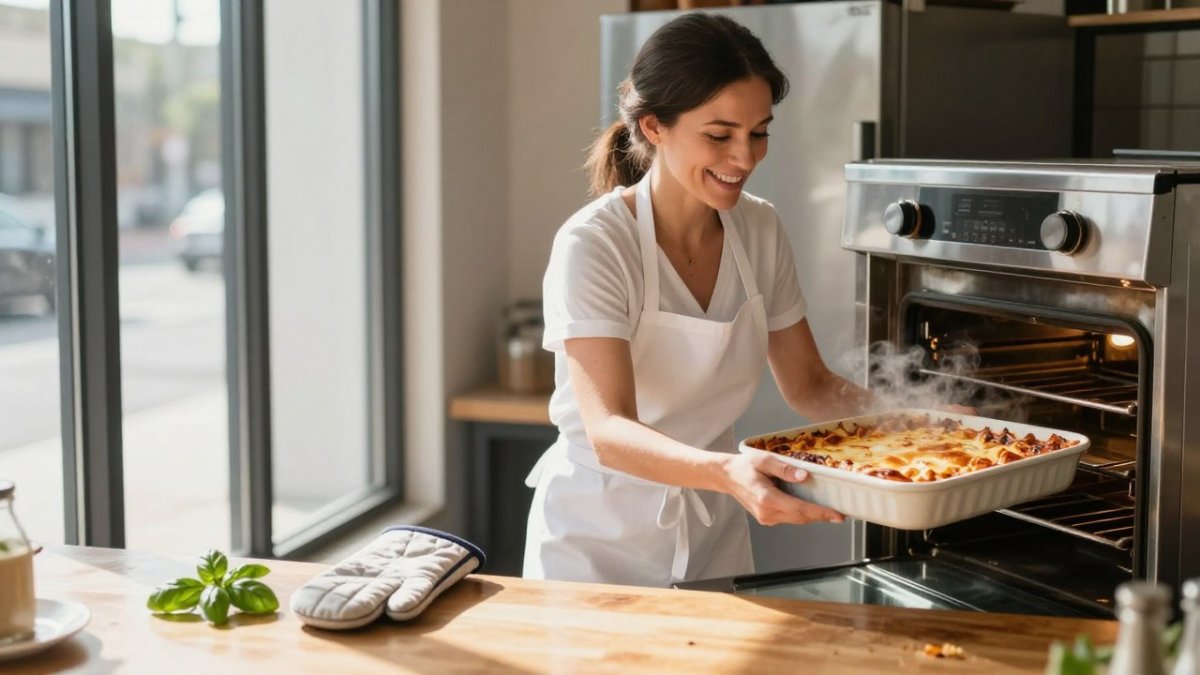
Casseroles and baked dishes are natural freezer candidates. Assemble in disposable aluminum containers, freeze unbaked, then bake directly from frozen, adding five to ten minutes to the bake time.
Lasagna, baked ziti, enchiladas, and shepherd's pie all freeze beautifully.
Freezer meals give you backup options for chaotic nights. Most frozen casseroles keep two to three months, giving you a rolling inventory.
Meal Planning for Busy Families: Start With Your Week
Strategic meal planning removes daily decision fatigue. Gourmet meal prep for busy families starts with one question: what proteins and vegetables do we want this week? Build from that, then lock the week into a written plan you can shop in one trip.
A Sample Gourmet Week Built From Components
The most reliable pattern: prep a small set of components on one day, then recombine them into different dinners across the week. Here is an example for a household of four.
Prep-day components (one session):
- Herb-roasted chicken thighs (about 3 pounds)
- Slow-cooker shredded pork shoulder (about 3 pounds)
- Roasted root vegetables (carrots, parsnips, red onion)
- Charred broccoli and bell peppers
- Cooked farro and jasmine rice
- A jar of lemon-tahini sauce and a jar of chimichurri
How those components become five dinners:
- Monday: Chicken and farro bowls with roasted root vegetables and lemon-tahini.
- Tuesday: Pork tacos with charred peppers, rice, and chimichurri.
- Wednesday: Chicken and broccoli pasta primavera (cook pasta fresh; it takes 10 minutes).
- Thursday: Pork and root-vegetable shepherd's pie topped with mashed potatoes.
- Friday: Grain bowls using whatever components remain, plus a fried egg per person.
This is the core gourmet move: you're not cooking five separate recipes, but cooking a handful of well-seasoned components and assembling them differently each night. That separates elevated weeknight food from reheated leftovers.
Building a Consolidated Shopping List
Write your menu on paper or in a notes app, then translate it into a single shopping list organized by store section so one efficient trip is possible.
Produce:
- Carrots, parsnips, red onion, broccoli, bell peppers, garlic, lemons, fresh herbs (parsley, cilantro)
Proteins:
- Chicken thighs, pork shoulder, eggs
Dairy and refrigerated:
- Greek yogurt, Parmesan, butter, tahini
Pantry:
- Farro, jasmine rice, pasta, olive oil, canned tomatoes, chicken broth, spices
Freezer:
- Frozen peas or spinach as a backup vegetable
A consolidated list saves time in the store and prevents impulse purchases that inflate a grocery bill. Buy proteins on sale and freeze what you won't use within a few days.
Cost Per Serving and Ingredient Efficiency
Gourmet doesn't have to mean expensive. The component approach is cost-efficient because every ingredient is used across multiple meals.
A single pork shoulder or family pack of chicken thighs, stretched across five dinners for four people, spreads the protein cost across roughly twenty servings. Reusing the same vegetables, grains, and sauces means buying in larger, cheaper quantities and wasting far less than buying separate ingredients for five distinct recipes, where partial herbs and half-used vegetables spoil.
To keep costs down:
- Plan the week around what is discounted, not the other way around.
- Choose two or three starches and reuse them all week.
- Let one sauce do double duty (chimichurri works on pork, chicken, and vegetables).
- Use vegetable scraps for stock instead of buying broth every time.
Prep Time and Hands-On Time Estimates
Most gourmet meal prep for busy families requires two to three hours of active prep on one day, typically Sunday, yielding four to five days of ready-to-heat meals.
Break down your time:
- Protein prep: 45 minutes (roasting, slow cooking, pan-searing)
- Vegetable prep: 30 minutes (chopping, roasting, steaming)
- Grains and starches: 25 minutes (rice, pasta, potatoes)
- Assembly and portioning: 30 minutes
- Cleanup: 15 minutes
Active hands-on time is typically sixty to ninety minutes; the rest is passive cooking while you handle other tasks. One batch feeds a family of four for multiple days.
How to Store Prepared Meals for Maximum Freshness
Storage determines how long prepared meals stay safe and delicious. Proper containers, organization, and temperature control are essential, and they decide whether your Sunday prep is still good on Thursday.
TO SEE OUR DAILY MENU CLICK HERE!(CONCORD COMMONS LOCATION ONLY) →
Container Choice and Refrigerator Organization
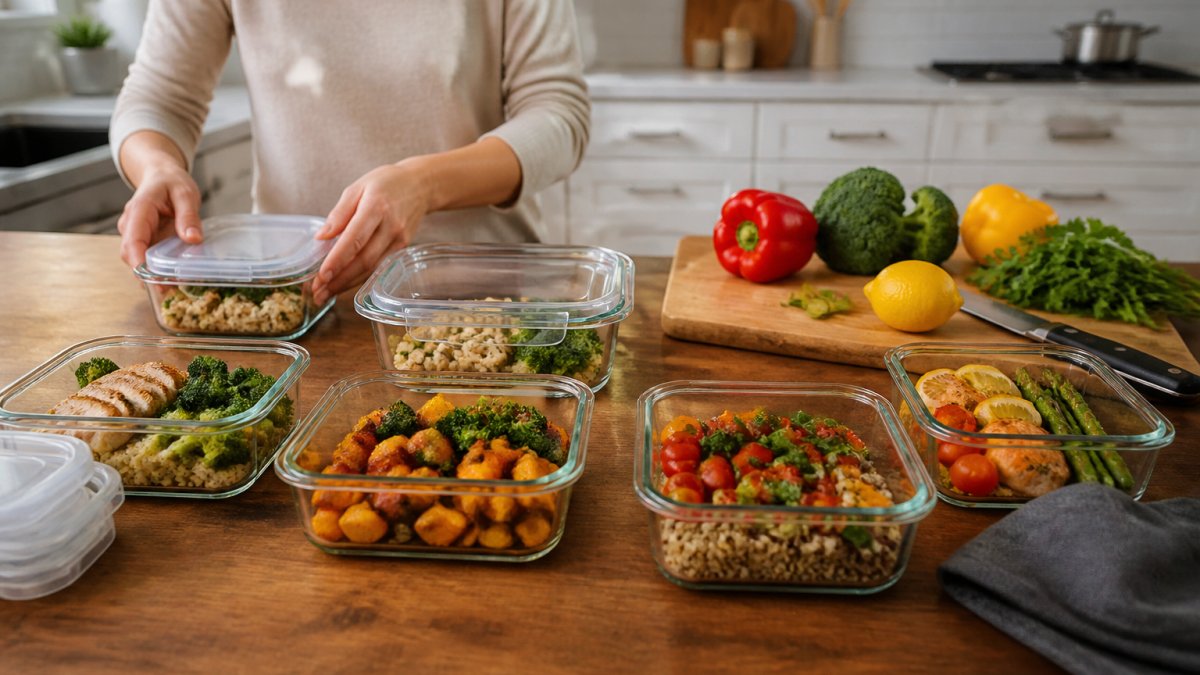
Glass containers with airtight lids are ideal: they don't absorb odors, let you see contents at a glance, and move from refrigerator to oven or microwave.
Organize your refrigerator by meal type: proteins on one shelf, vegetables on another, grains on a third.
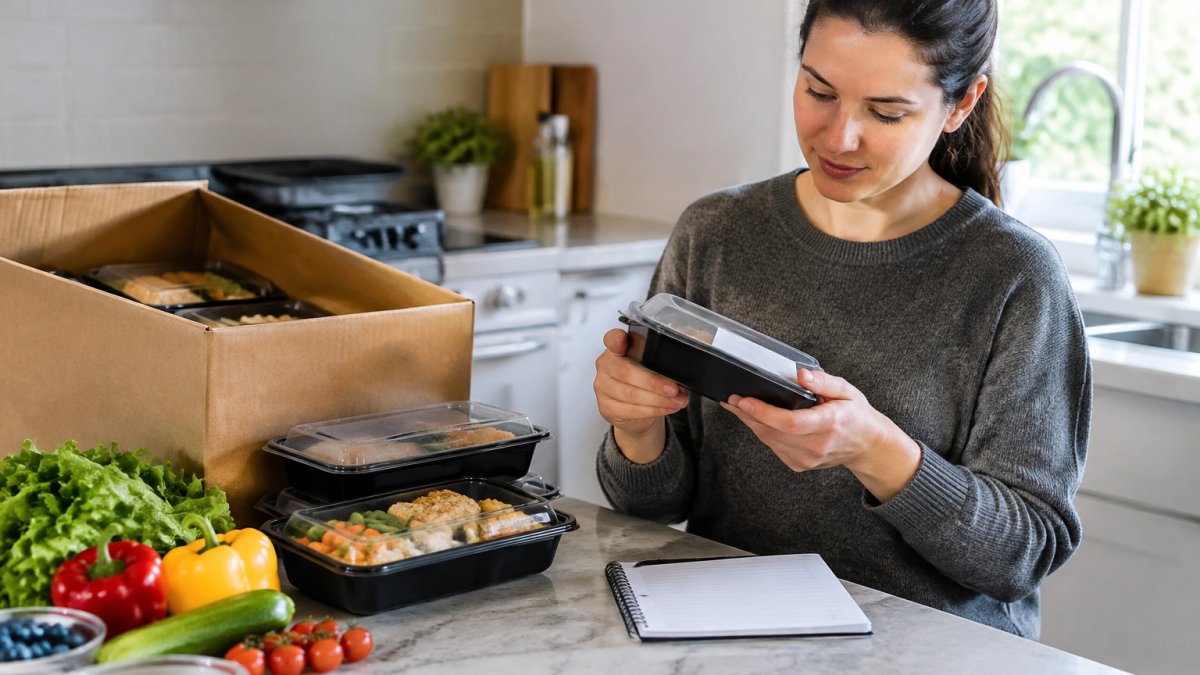
Label every container with contents and prep date, masking tape and a marker suffice. The date tells you whether something is still in its safe window.
Refrigerator and Freezer Storage Windows
Prepared gourmet meals follow standard food safety guidelines. The refrigerator should hold at 40°F or below, and the freezer at 0°F or below. Use these windows as your guide:
- Cooked poultry and meat: 3 to 4 days refrigerated
- Cooked fish and shellfish: 3 days refrigerated
- Soups, stews, and braised dishes: 4 to 5 days refrigerated (the liquid slows surface drying)
- Cooked vegetables: 4 to 5 days refrigerated
- Cooked grains, rice, and pasta: 5 to 6 days refrigerated
- Casseroles and baked pasta: 3 to 4 days refrigerated; 2 to 3 months frozen
- Unbaked assembled casseroles: 2 to 3 months frozen; bake directly from frozen, adding 5 to 10 minutes to the bake time
If you will not use a protein within its refrigerated window, freeze it on prep day rather than waiting. Freezing at peak freshness is what preserves quality.
Safe Cooling Before Storage
The most common storage mistake is putting hot food straight into the refrigerator. Large, deep containers cool slowly, and the middle can sit too long in the range where bacteria multiply fastest.
Cool food quickly before refrigerating:
- Divide large batches into shallow containers so more surface area is exposed.
- Leave lids off or ajar until the food stops steaming, then seal.
- Do not stack hot containers on top of each other.
- Aim to move food from hot to refrigerated within two hours.
Never leave prepared food at room temperature for more than two hours. If you are transporting meals, use an insulated bag with an ice pack. When in doubt about whether food is safe, discard it. Foodborne illness is not worth the risk.
Reheating Without Ruining Texture
How you reheat matters as much as how you prepared the food.
Oven reheating is gentlest: preheat to 350°F, place food in an oven-safe container, cover loosely with foil, and heat fifteen to twenty minutes.
Stovetop reheating suits sauced dishes and soups. Use medium heat, stir occasionally, and add a splash of water or broth if dry.
Microwave reheating is fastest but needs care: use fifty percent power, stir halfway, and lay a damp paper towel on top to trap steam.
A few rules protect quality:
- Reheat only the portion you'll eat that day.
- Avoid reheating the same meal multiple times; each cycle degrades texture and flavor.
- Reheat cooked rice and pasta until steaming hot throughout.
- Add delicate sauces and fresh herbs after reheating, not before.
Best Way to Reheat Prepared Meals While Preserving Quality
How you reheat matters as much as how you prepared the food. Different methods preserve texture and flavor differently.
Oven reheating is gentlest on most dishes.
Stovetop reheating works well for sauced dishes and soups. Use medium heat and stir occasionally.
Microwave reheating is fastest but requires care. Use fifty percent power to reheat evenly. Stir halfway through.
Avoid reheating the same meal multiple times. Each reheating cycle degrades texture and flavor. Portion only what you'll eat that day.
Customizing Meals for Different Tastes and Dietary Needs
Family meals rarely satisfy everyone identically. Gourmet meal prep for busy families accommodates different tastes and dietary restrictions when you build flexibility into your components.
Prepare proteins plainly without heavy sauces so family members add their preferred seasonings.
Gluten-free needs are simple with naturally gluten-free grains and proteins: rice, potatoes, and certified gluten-free pasta work for everyone. Check sauces and seasonings for hidden gluten.
Making Gourmet Meal Prep Affordable and Sustainable
Quality doesn't require spending more. Gourmet meal prep for busy families actually reduces costs versus buying individual ingredients or eating out.
Leo's Gourmet Market offers chef-crafted prepared meals and artisan ingredients that eliminate the markup of eating out while maintaining quality.
Reduce waste by using every part of your ingredients. Vegetable scraps make stock. Leftover proteins become soups or grain bowls.
Reusable glass containers last years and reduce packaging waste.
Gourmet meal prep for busy families removes the daily stress of feeding your household without sacrificing quality or flavor. Leo's Gourmet Market makes this easier by providing chef-crafted proteins, fresh vegetables, and artisan staples that elevate your prepared meals.
Frequently Asked Questions
What are the best family meal prep ideas for gourmet meals?
Focus on versatile proteins like chicken, pork, and shrimp that pair with multiple sides. Batch-cooked proteins, one-pot meals, and make-ahead casseroles work well for families. Slow-cooker meals and freezer-friendly options like soups and marinated proteins reduce weeknight stress. Prepare components separately, roasted vegetables, grains, and proteins, so family members can customize portions and flavors based on preferences.
How long do prepared meals last in the refrigerator?
Properly stored cooked meals typically last 3-4 days in the refrigerator at 40°F or below. Soups and broths may last up to 5 days. Store meals in airtight, shallow containers to cool quickly and prevent bacterial growth. Label containers with the preparation date. Freezer meals can last 2-3 months when properly wrapped and sealed. Always follow food safety guidelines and discard meals showing signs of spoilage.
What's the best way to reheat prepared meals without drying them out?
Oven reheating at 350°F for 15-20 minutes preserves moisture better than microwaves, especially for casseroles and proteins. Cover dishes with foil to prevent drying. For stovetop reheating, use low-to-medium heat and add a splash of water or broth. Microwave in short intervals, stirring between bursts. Remove meals from the refrigerator 15 minutes before reheating for even warming. Avoid overheating, which damages texture and flavor.
How can meal planning for busy families accommodate different dietary needs?
Prepare base components, proteins, grains, and vegetables, separately so family members can mix and match. Label ingredients clearly for gluten-free, vegetarian, or allergen-free options. Choose recipes with customizable elements: taco bowls with various toppings, pasta with different sauces, or grain bowls with mix-and-match proteins. Plan one or two flexible recipes weekly alongside family favorites. This approach reduces cooking time while ensuring everyone's needs are met without preparing entirely separate meals.