 blog
Healthy Gluten-Free Dinner Options in Concord
Table of Contents
- Why Gluten-Free Dinners Matter for Your Family
- Healthy Gluten-Free Dinner Ideas That Work
- Easy Gluten-Free Weeknight Dinners Ready to Heat
- Gluten-Free Prepared Meals That Taste Homemade
- Cross-Contamination and Celiac-Safe Dining Questions
- Building a Balanced Gluten-Free Dinner Plate
- Make Gluten-Free Dinners Convenient Without Sacrifice
- Frequently Asked Questions
Last Updated: October 18, 2026
Why Gluten-Free Dinners Matter for Your Family
Families managing celiac disease or gluten sensitivity face real dinnertime challenges, health, safety, and enjoying a meal without worry. Finding healthy gluten-free dinner options for busy households means understanding cross-contamination risks, knowing what balanced nutrition looks like without gluten, and having access to meals that taste genuinely homemade.
At Leo's Gourmet Market, we understand these challenges firsthand. Our chef-crafted, freshly prepared entrées come with clear ingredient labels and heating instructions for families who need to know exactly what's in their food.
This guide covers practical strategies for healthy gluten-free dinner options that work for real families, what makes a dinner truly gluten-free, how to avoid common pitfalls, and where to find quality prepared meals.
Healthy Gluten-Free Dinner Ideas That Work
The best healthy gluten-free dinners start with whole foods and simple proteins. Here are dinner templates built around a protein, at least one vegetable, and a naturally gluten-free starch.
Sheet-pan lemon chicken with broccoli and baby potatoes
Toss chicken thighs or breasts with olive oil, lemon, garlic, oregano, salt, and pepper; add broccoli florets and halved baby potatoes; roast at 425°F for 25-30 minutes until the chicken reaches 165°F. Hidden gluten risk: bottled marinades and some seasoning blends, substitute fresh lemon, garlic, and single-ingredient dried herbs. Why it's healthy: lean protein, a cruciferous vegetable, and a fiber-rich starch with minimal added sodium.
Baked salmon with sweet potato and green beans
Season salmon with olive oil, dill, and lemon; roast alongside cubed sweet potato and green beans at 400°F for 18-22 minutes. Hidden gluten risk: teriyaki or soy-based glazes, use a lemon-dill rub or gluten-free tamari. Why it's healthy: omega-3 fats, beta-carotene, and fiber, with no breading or flour thickener.
Ground turkey and cauliflower rice skillet
Brown ground turkey with onion and garlic, add riced cauliflower, diced bell pepper, and a splash of gluten-free stock; season with cumin and paprika. Hidden gluten risk: stock cubes and taco seasoning packets often contain wheat, use labeled gluten-free stock and single-spice seasoning. Why it's healthy: high protein, low starch, and a full serving of vegetables in one pan.
Gluten-free pasta with turkey meatballs and marinara
Use pasta labeled gluten-free, cooked in a separate pot of fresh water. Simmer turkey meatballs in marinara; check the sauce label for wheat-derived thickeners. Hidden gluten risk: shared pasta water and some jarred sauces. Why it's healthy when portioned: a fist-sized portion of pasta, lean protein, and a vegetable-rich sauce.
Black bean and sweet potato bowls
Roast cubed sweet potato, warm black beans with cumin and lime, and serve over brown rice with shredded cabbage and avocado. Hidden gluten risk: canned beans are usually fine, but flavored varieties and some sauces can contain gluten. Why it's healthy: plant protein, fiber, and a colorful mix of vegetables.
What makes these dinners healthy
A balanced gluten-free dinner includes a palm-sized portion of protein (about 3-6 ounces for most adults), vegetables filling roughly half the plate, and a fist-sized portion of a gluten-free starch. Favor whole-food starches (brown rice, quinoa, sweet potatoes, potatoes) over refined gluten-free packaged substitutes, which often carry more sugar, sodium, and additives. Watch sodium in jarred sauces and stocks; flavor with herbs, citrus, and spices instead of salt.
Common mistakes and substitutions
The most common pitfalls are centering meals on gluten-free packaged foods, underseasoning, and missing hidden gluten in sauces, stocks, and seasoning packets. Build flavor with garlic, citrus, smoked paprika, cumin, and fresh herbs, and keep naturally gluten-free starches on hand, rice, potatoes, quinoa, so dinner doesn't depend on a specialty product.
Easy Gluten-Free Weeknight Dinners Ready to Heat
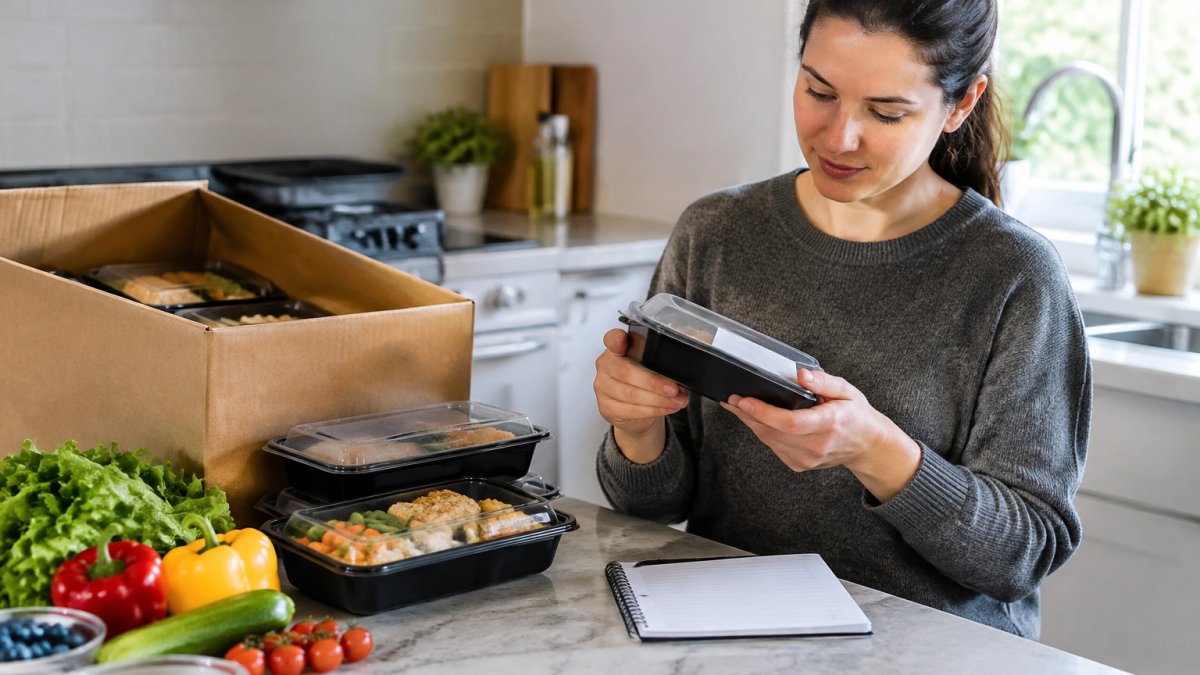
When time is tight, healthy gluten-free dinner options with minimal prep are essential. The best prepared meals come in oven-safe containers with clear heating instructions, so there's no guesswork.
Look for prepared meals that include vegetables in the main dish, not as an afterthought, a chicken entrée with roasted vegetables built in, not a side salad that wilts by the time you eat.
Rotating 4-5 trusted prepared meals throughout the week reduces decision fatigue, roasted chicken with vegetables on Monday, a ground turkey dish with sweet potatoes on Wednesday, seafood on Friday.
The key difference between mediocre and genuinely good prepared meals is ingredient quality.
Gluten-Free Prepared Meals That Taste Homemade
The difference between prepared meals that feel like convenience and those that feel like real food comes down to preparation method and ingredients.
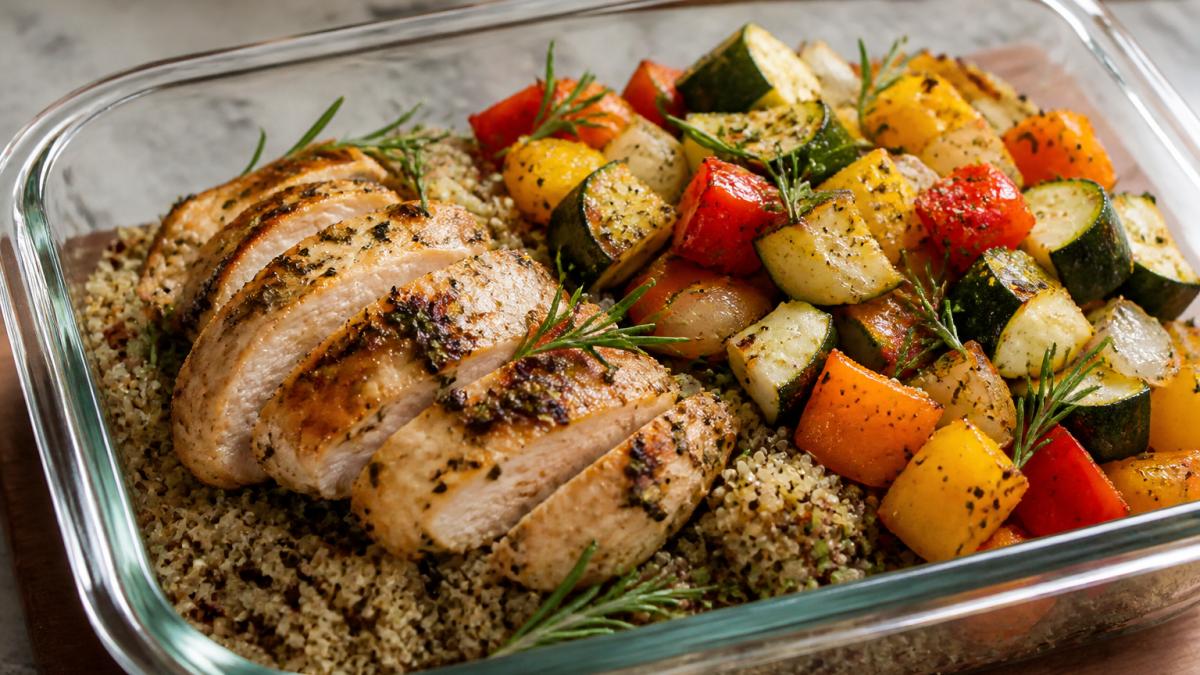
Quality prepared meals contain ingredients you recognize: actual chicken, vegetables that look like vegetables, and seasonings that are herbs and spices rather than mysterious flavor compounds. A genuinely good prepared meal should smell like home cooking when reheated.
Leo's Gourmet Market's rotating daily menu ensures you're never eating the same meal twice in a row.
Cross-Contamination and Celiac-Safe Dining Questions
For people managing celiac disease, cross-contamination isn't theoretical, even trace amounts of gluten can trigger an immune response that damages the small intestine. Most dining coverage stops at "gluten-free options available" and never explains how a kitchen actually prevents cross-contact. Here's a practical verification framework for any restaurant or prepared-meal provider.
TO SEE OUR DAILY MENU CLICK HERE!(CONCORD COMMONS LOCATION ONLY) →
Where gluten hides in a dinner kitchen
Cross-contact usually happens in six places: shared fryers, shared cooking water (pasta pots), shared cutting boards, shared utensils and tongs, shared prep surfaces (especially flour-dusted benches), and shared condiment containers (soy sauce, teriyaki, marinades, and some spice blends). A kitchen can offer a genuinely gluten-free dish and still fail on any one of these. When you evaluate a provider, ask about each one specifically rather than asking the broad question "Is it gluten-free?"
A five-question verification script
Use these questions in order. Specific, confident answers are a good sign; vague or defensive answers are a warning.
- Dedicated area or dedicated time? Is the gluten-free meal prepared in a separate prep zone, or is the kitchen cleaned and reset before your order? Both can work, but the staff should be able to describe which one they use.
- Separate equipment? Are there dedicated cutting boards, knives, pans, and utensils for gluten-free orders? If not, how are they cleaned between uses?
- Shared fryer? If the dish is fried, is the fryer dedicated gluten-free? Shared fryers are one of the most common hidden sources of cross-contact.
- Shared cooking water? Is gluten-free pasta cooked in a separate pot? Reusing pasta water is a frequent and easily overlooked risk.
- Ingredient sourcing and labels? Are sauces, marinades, and spice blends verified gluten-free, and can staff show you the label or supplier information?
What "gluten-free" does and does not mean
In the United States, the Food and Drug Administration (FDA) regulates the term "gluten-free" for packaged foods, requiring that the food contain less than 20 parts per million (ppm) of gluten and that it not contain any gluten-containing grain or ingredient derived from one (the FDA). That standard applies to packaged foods, not to restaurant menu claims. A restaurant dish described as gluten-free is a statement about ingredients, not a certification of kitchen practice. For celiac disease, the preparation method matters as much as the ingredient list.
Red flags and green flags
Red flags: staff who can't name a single cross-contact control, a single shared fryer used for breaded and unbreaded items, gluten-free pasta cooked in the same water as regular pasta, and menus that label dishes gluten-free without noting shared equipment. Green flags: a written allergen protocol, staff who volunteer information about shared equipment before you ask, dedicated utensils or a separate prep station, and labels that distinguish "gluten-free ingredients" from "prepared in a dedicated gluten-free area."
Building a Balanced Gluten-Free Dinner Plate
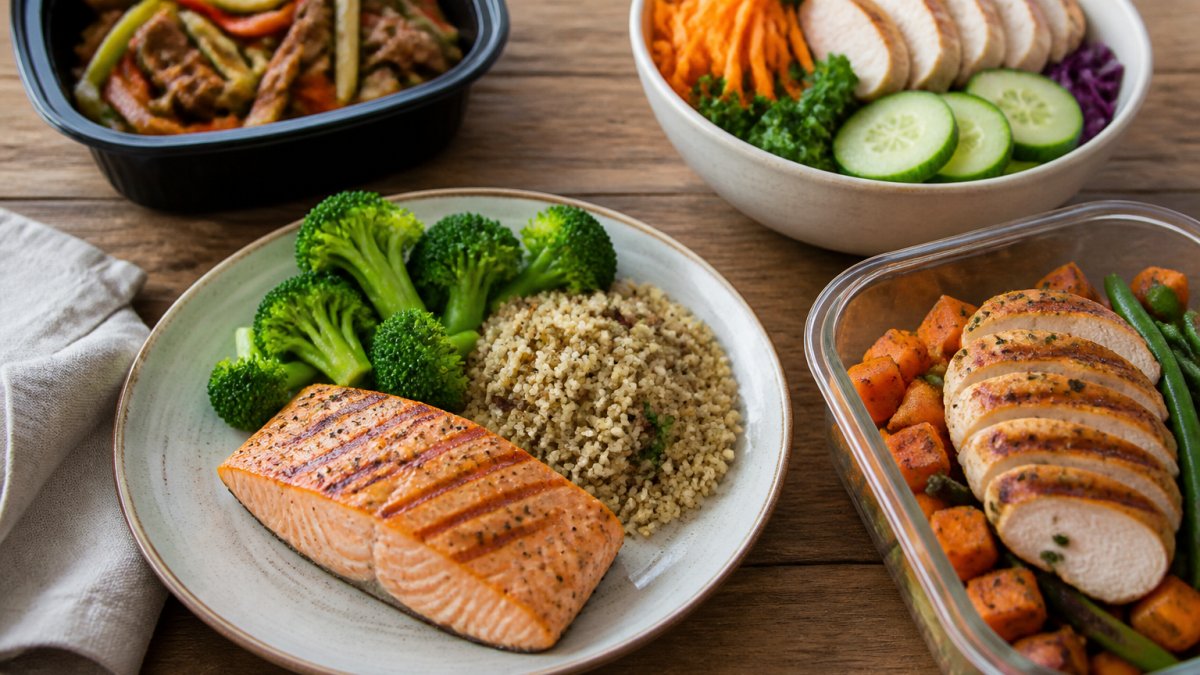
A balanced dinner plate includes protein, vegetables, and a starch.
For protein, aim for 3-6 ounces per serving depending on age and activity level, a chicken breast, salmon fillet, or ground turkey. Rotating proteins prevents boredom and ensures varied micronutrient intake.
Vegetables should fill roughly half your plate. Roasted vegetables taste better than steamed, and variety prevents meal fatigue: broccoli, carrots, and bell peppers beat broccoli alone.
For starches, a fist-sized portion of rice, potato, or quinoa is reasonable for most adults.
A practical framework: start with your protein, add two vegetables, then add your starch. Most prepared meals follow this structure naturally.
Make Gluten-Free Dinners Convenient Without Sacrifice
The biggest mistake families make is treating gluten-free dinners as a temporary inconvenience rather than a sustainable lifestyle, which leads to burnout and poor nutrition.
Convenience without sacrifice means having systems in place.
Prepared meals solve the convenience equation when your schedule doesn't allow cooking.
A hybrid approach works best for many families: cook 2-3 meals per week when time allows and rely on prepared meals the other nights.
The real measure of success isn't perfection, it's consistency. A family that eats healthy gluten-free dinners 80% of the time does far better than one that cooks perfect meals once a month.
Finding healthy gluten-free dinner options that work for your family doesn't require special skills or endless time. Our diverse daily rotating menu ensures variety without the stress of planning, and our commitment to quality ingredients means you're getting real food, not processed shortcuts. The Celiac Disease Foundation provides detailed resources on cross-contamination prevention and safe food handling.
Frequently Asked Questions
What makes a gluten-free dinner truly celiac-safe?
A celiac-safe dinner requires more than just avoiding wheat, barley, and rye. Cross-contamination during preparation is critical, utensils, cutting boards, and cooking surfaces must never touch gluten-containing foods. Reputable prepared meal providers clearly label ingredients. When ordering, ask whether meals are prepared in a dedicated gluten-free kitchen or on dedicated equipment. Fresh, whole foods like vegetables, rice, potatoes, and meat are naturally gluten-free, but always verify sauces, seasonings, and broths, which often contain hidden gluten.
How can I tell if a prepared meal is fresh when I pick it up?
Fresh prepared meals should have clear labeling with preparation dates and storage instructions. When you pick up your order, the food should be warm or properly stored in a cool container if it's meant to be refrigerated. Ask the provider about their preparation schedule, meals made the same day you pick them up are fresher than those made days in advance. Check the container for any signs of spoilage, and always follow the heating and storage instructions provided.
What are some naturally gluten-free dinner proteins and sides?
Naturally gluten-free proteins include grilled chicken, baked fish, grass-fed beef, and plant-based options like lentils and chickpeas. Pair these with gluten-free sides: roasted vegetables, sweet potatoes, white or brown rice, quinoa, and salads with olive oil-based dressings. Mediterranean cuisine naturally offers many gluten-free options, including hummus, fresh vegetables, and olive oil-based preparations. Avoid breaded items unless they're specifically prepared gluten-free, and check sauces and dressings for hidden gluten from soy sauce or thickening agents.
Can you accommodate last-minute gluten-free dinner orders?
Many prepared meal providers, including family-owned markets with daily rotating menus, can accommodate last-minute requests depending on what's available that day. Call ahead to ask about same-day gluten-free options rather than assuming availability. For larger events or specific dietary needs, advance notice, typically 24-48 hours, ensures the provider can prepare dedicated gluten-free dishes and minimize cross-contamination risks. Smaller gatherings for 4-6 people are often easier to arrange quickly than large catering events, so communicate your timeline clearly when ordering.