 Listicle
Benefits of Buying Artisan Handmade Sausage
Last Updated: October 23, 2026
Quick Summary
Artisan handmade sausage offers superior quality through careful meat selection, fresh grinding, precise seasoning balance, and small-batch production that mass-produced alternatives cannot match. The benefits include better ingredient transparency, fresher products, natural casings, and no fillers or artificial additives, making it worth the investment for quality-conscious shoppers.
- Artisan sausage uses whole cuts of meat selected for flavor, not commodity trim, creating a measurable difference in taste and texture.
- Fresh artisan sausage is typically made in small batches and sold within days, compared to mass-produced sausage made weeks or months earlier.
- Ingredient labels on artisan sausage read like recipes with recognizable components, while industrial sausage often contains binders, fillers, and preservatives.
- Fresh pork sausage should be refrigerated and used within 1 to 2 days of purchase, or frozen for longer storage.
- Artisan sausage shrinks less during cooking due to lower water and filler content, yielding more edible meat per pound than mass-produced alternatives.
Table of Contents
- Why Artisan Handmade Sausage Stands Out
- Artisan Sausage Ingredients That Make the Difference
- Artisan Sausage vs. Store-Bought Sausage
- How to Cook Fresh Sausage Properly
- How to Store Fresh Sausage for Maximum Freshness
- Is Artisan Handmade Sausage Worth the Investment
- Frequently Asked Questions
Why Artisan Handmade Sausage Stands Out
When you bite into a quality sausage, you're tasting the difference between mass production and craft. At Leo's Gourmet Market, we've watched customers discover that the benefits of buying artisan handmade sausage go far beyond flavor, they extend to ingredient quality, freshness, and care.
The distinction between artisan handmade sausage and industrial alternatives runs deep. Handcrafted sausages start with careful meat selection and end with attention to texture, seasoning balance, and natural casing integrity.
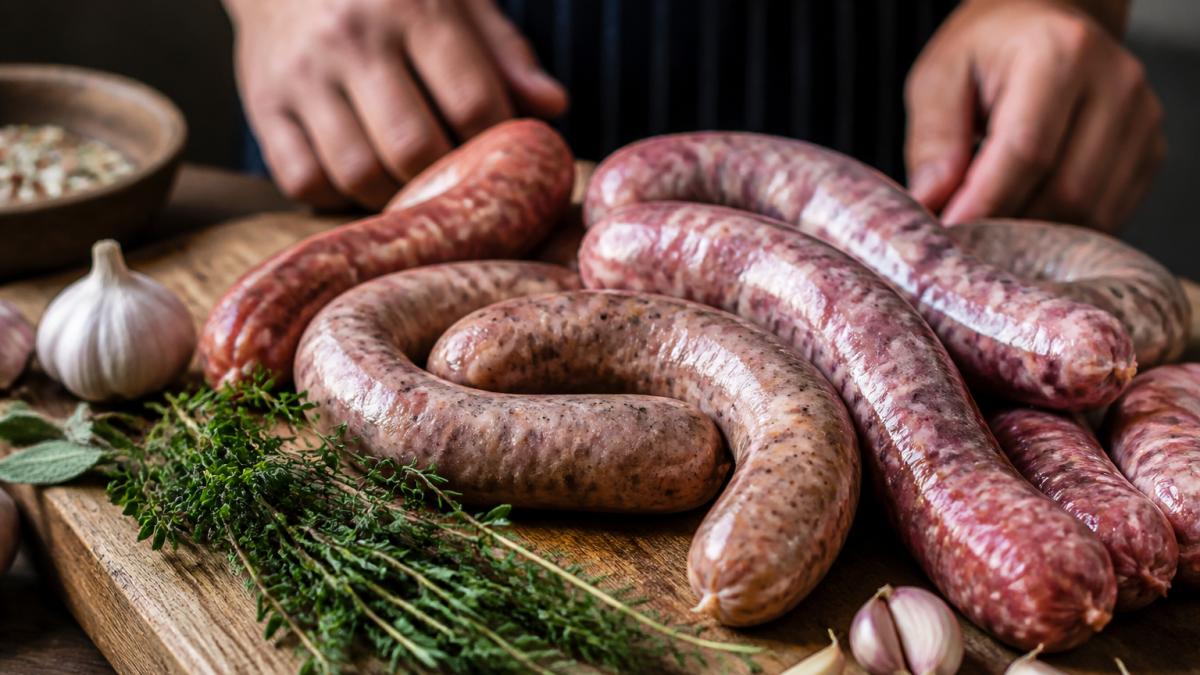
Small-batch production means each sausage receives individual attention. The sausage-making process requires balancing meat, fat, salt, and spices with precision. When a producer handles dozens of links instead of thousands, every variable gets monitored. Temperature control during mixing matters. Casing application matters.
Artisan Sausage Ingredients That Make the Difference
What separates exceptional sausage from ordinary comes down to what goes into it. Artisan producers obsess over ingredient selection in ways that mass manufacturers simply cannot afford to.
Quality Meat Selection and Sourcing
The foundation of any sausage is the meat itself. Artisan sausage producers typically source from specific farms or suppliers they know personally, allowing them to request particular cuts, specific fat ratios, and meat from animals raised under conditions they can verify.
Mass-produced sausage often uses meat trim and by-products that wouldn't sell as individual cuts. Artisan producers select whole cuts, shoulder, belly, leg, and grind them fresh.
Fat content matters enormously in sausage. The meat-to-fat balance determines juiciness, flavor intensity, and how the sausage holds together during cooking. Artisan makers control this ratio precisely, often targeting 20-30% fat depending on the sausage style.
Seasoning, Spices, and Flavor Balance
Seasoning is where artisan sausage-making becomes an art. The spice profile, salt, pepper, garlic, mustard seed, and regional variations, requires both knowledge and restraint. Too much seasoning overwhelms the meat. Too little leaves it flat.
Artisan producers often toast their spices fresh or source them from specialty suppliers. Garlic might be roasted and incorporated whole rather than powdered. Mustard seed comes whole and gets crushed during mixing.
Salt serves multiple purposes: flavor, preservation, and texture. It helps the meat proteins bind together and hold moisture.
Some producers add herbs like sage, fennel, or thyme at specific stages, reflecting generations of knowledge passed down through family recipes or regional traditions.
Artisan Sausage vs. Store-Bought Sausage
The comparison between artisan handmade sausage and mass-produced alternatives is easiest to make with a package in each hand. Here are the practical checks that separate craft from commodity, plus the label-reading details that determine whether a sausage fits your table.
Freshness and Ingredient Transparency
Artisan sausage is typically made in small batches and sold within days. You can usually ask the producer or counter staff when a batch was made, and the answer is a date, not a distribution window.
Ingredient transparency is where the two products diverge most. A typical artisan label reads like a recipe: pork, salt, pepper, garlic, perhaps wine or a specific spice. Industrial labels often include binders, fillers, preservatives, nitrates or nitrites, and flavorings that extend shelf life and reduce cost.
Use the label as a checklist rather than a verdict:
- Ingredient order: Ingredients are listed by weight. If meat is not first, the product contains more of something else than meat.
- Added water and binders: Terms like "water," "broth," "modified food starch," and "soy protein" signal added volume and texture agents. They are not unsafe, but they change what you are paying for per pound.
- Preservatives and curing agents: Sodium nitrite and sodium nitrate are common in cured sausages. If you are limiting them, look for products labeled "uncured" and read the fine print, since uncured products often use celery powder or similar ingredients that still contain naturally occurring nitrates.
- Allergens: The nine major allergens recognized by the FDA are milk, eggs, fish, crustacean shellfish, tree nuts, peanuts, wheat, soybeans, and sesame (the FDA). Sausage can carry wheat fillers, soy, or dairy, so check the "Contains" statement.
- Sodium: Sodium is listed in milligrams per serving. Serving sizes vary widely between products, so compare per ounce rather than per link.
At Leo's Gourmet Market, we provide clear ingredient labels on our handmade sausage and can answer questions about sourcing, cooking methods, and storage. That transparency lets you make informed choices aligned with your dietary preferences rather than guessing from packaging claims.
Many shoppers find that artisan sausage suits their dietary needs better because it is less likely to contain fillers or artificial binders. Without wheat-based fillers, some products are gluten-free by default, but do not assume it, check the label.
Texture, Taste, and Craftsmanship
The bite of a quality sausage tells you a lot. Artisan sausage has a consistent, pleasant snap when you cut into it. The meat holds together firmly without being dense. The texture is fine and even, indicating careful grinding and mixing.
Taste follows. You experience the individual flavors, meat, salt, and spices, rather than a homogenized blend. There is no artificial flavor masking inferior ingredients.
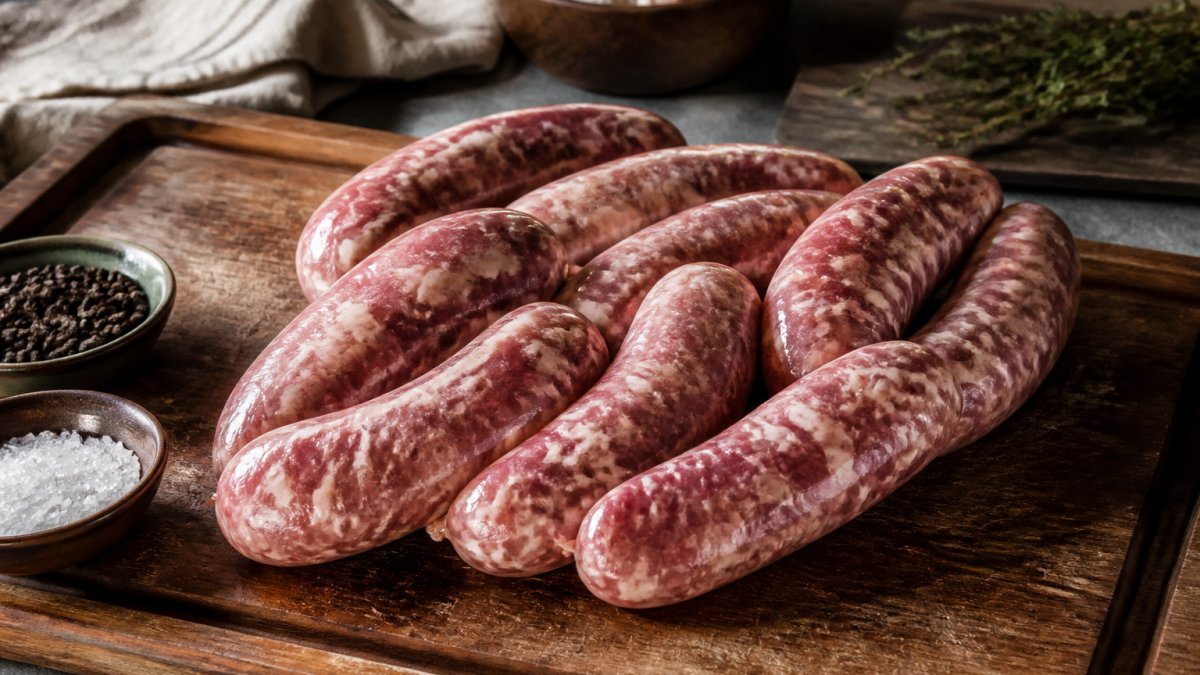
Appearance also signals quality. Handmade sausage in natural casings has color variation and character. The casing sits properly against the meat without gaps or wrinkles. When you cook it, the casing snaps cleanly and the interior stays moist.
Food Safety, Storage, and Cooking Guidance
Buying artisan sausage means handling a fresh, perishable product, so food-safety basics matter as much as flavor. The USDA recommends keeping refrigerators at 40°F or below and freezers at 0°F or below.
Cook pork sausage to a safe internal temperature of 160°F, measured with a food thermometer. Do not rely on color alone. If you are grilling or pan-searing, moderate heat and turning every few minutes help the casing set without splitting.
TO SEE OUR DAILY MENU CLICK HERE!(CONCORD COMMONS LOCATION ONLY) →
For freezing, wrap sausages individually and press air out of the bag. Thaw in the refrigerator overnight, never on the counter. These steps preserve both quality and safety.
Price and Value for Money
Handmade sausage usually costs more per pound than mass-produced sausage, and that difference is real. You are paying for whole cuts rather than commodity trim, fresh grinding, careful seasoning, natural casings, small-batch labor, and shorter distribution chains.
Evaluate value on four factors:
- Ingredients per dollar: Compare meat content and added water. A cheaper sausage that is 15% added water may cost more per pound of actual meat than a premium product.
- Portion and shrinkage: Artisan sausage shrinks less during cooking, so a pound yields more edible meat.
- Sourcing claims: Terms like "pasture-raised" or "no antibiotics" are meaningful only if the producer can explain them. Ask what the claim means in practice.
- Use case: For a weeknight pasta where sausage is one component, the difference matters less. For a centerpiece grill or a charcuterie board, artisan quality is obvious and worth the investment.
Combined with superior quality, that convenience creates genuine value.
How to Cook Fresh Sausage Properly
Fresh artisan sausage deserves cooking technique that honors the quality. The goal is even cooking that develops flavor without drying out the interior or bursting the casing.
Low and slow is the principle that works best. Start with medium heat rather than high.
For oven cooking, place sausages on a sheet pan at 375°F for 15-20 minutes. This method provides even heat and prevents the casing from splitting.
Avoid piercing the casing before cooking. This releases juices and dries out the interior. Let the sausage cook undisturbed for the first few minutes so the casing can set.
How to Store Fresh Sausage for Maximum Freshness
Fresh artisan sausage is perishable, and storage technique directly impacts shelf life and safety. Proper storage preserves both quality and your investment in premium product.
Keep sausage in the coldest part of your fridge, typically the back of the lower shelf.
Freezing extends shelf life significantly. Wrap sausages individually in plastic wrap, then place them in a freezer bag with the air pressed out. Thaw in the refrigerator overnight, never at room temperature.
Reheat gently to avoid drying it out, or freeze cooked sausage for up to 2 months.
Temperature control is critical. Keep your refrigerator at 40°F or below.
Is Artisan Handmade Sausage Worth the Investment
The price of artisan handmade sausage is higher than mass-produced alternatives.
Consider what you are paying for: meat selected for flavor, fresh grinding, careful seasoning, natural casings, small-batch production, and no fillers or artificial additives.
A practical way to evaluate value is to compare cost per edible ounce rather than sticker price.
Use case matters as much as price. For weeknight dinners where sausage is one component of a larger dish, the difference matters less.
Value also depends on how you buy.
Dietary benefits add another layer. If you are avoiding additives, fillers, or specific ingredients, artisan sausage often meets your needs without compromise.
When you choose artisan handmade sausage, you are choosing a product made with attention to every detail. The benefits extend beyond taste to include ingredient transparency, freshness, and support for small-batch producers who care about quality. At Leo's Gourmet Market, our handmade sausage reflects this commitment. We source quality meat, balance seasonings with precision, and make sausage in small batches you can trust. Visit Leo's Gourmet Market to see our current sausage selection and ask our team about sourcing, preparation methods, and storage guidance.
Frequently Asked Questions
What makes sausage artisan or handmade?
Artisan handmade sausage is crafted in small batches by skilled producers who control every ingredient and step of the process. Unlike mass-produced sausage made in large factories with additives and fillers, artisan sausage uses quality meat, natural casings, and traditional seasoning methods. The maker knows the source of the meat, balances the meat-to-fat ratio carefully, and often uses time-honored techniques like smoking with wood smoke or aging for deeper flavor.
How does artisan sausage differ in taste and texture compared to store-bought?
Artisan sausage delivers noticeably superior flavor and texture because of ingredient quality and freshness. Handcrafted sausage has a consistent, tender bite with distinct seasoning notes, whether garlic, mustard seed, pepper, or herbs. Store-bought mass-produced sausage often contains fillers, binders, and preservatives that create a mushy or rubbery texture and muted flavor. Artisan producers skip these shortcuts, so you taste the actual meat and spices.
Is artisan handmade sausage worth the price?
Yes, if you value freshness, ingredient transparency, and superior taste. Artisan sausage costs more because small-batch producers use higher-quality meat, source carefully, and invest time in craftsmanship. Artisan sausage offers strong value. You also avoid waste, fresh sausage has no fillers, so you're paying for meat and flavor, not bulk.
How long can fresh handmade sausage be stored safely?
Fresh artisan sausage stays safe when stored properly in airtight packaging on the coldest shelf. For longer storage, freeze it, wrap it tightly to prevent freezer burn. Always check the producer's label for specific guidance, as storage depends on the exact ingredients and casing type used. Thaw frozen sausage in the refrigerator overnight before cooking.