 Listicle
7 Reasons to Choose Locally Made Mozzarella
Last Updated: November 1, 2026
Quick Summary
Locally made mozzarella is cheese produced close to where it is sold, so it reaches the counter sooner and keeps the soft, milky texture of a fresh cheese. Because mozzarella is perishable, the shorter distance from production to shelf is the core of its appeal.
- Fresh mozzarella is best within a short window after it is made.
- Check for a producer name and production address, not just a store name.
- Ask for the make date, not just the sell-by date.
- Keep fresh mozzarella at or below 40°F, covered in its brine or milk.
- Use opened fresh mozzarella within three to five days.
Table of Contents
- What Makes Mozzarella Locally Made, and Why It Matters
- Freshness and Flavor: Why Local Mozzarella Tastes Different
- Fresh Mozzarella vs Shredded Mozzarella: Which to Buy
- How to Verify That Mozzarella Is Genuinely Local
- Fresh Mozzarella Appetizers That Show Off Local Cheese
- How to Store Fresh Mozzarella and How Long It Lasts
- Questions to Ask Your Local Cheesemaker or Market Before You Buy
- Frequently Asked Questions
What Makes Mozzarella Locally Made, and Why It Matters
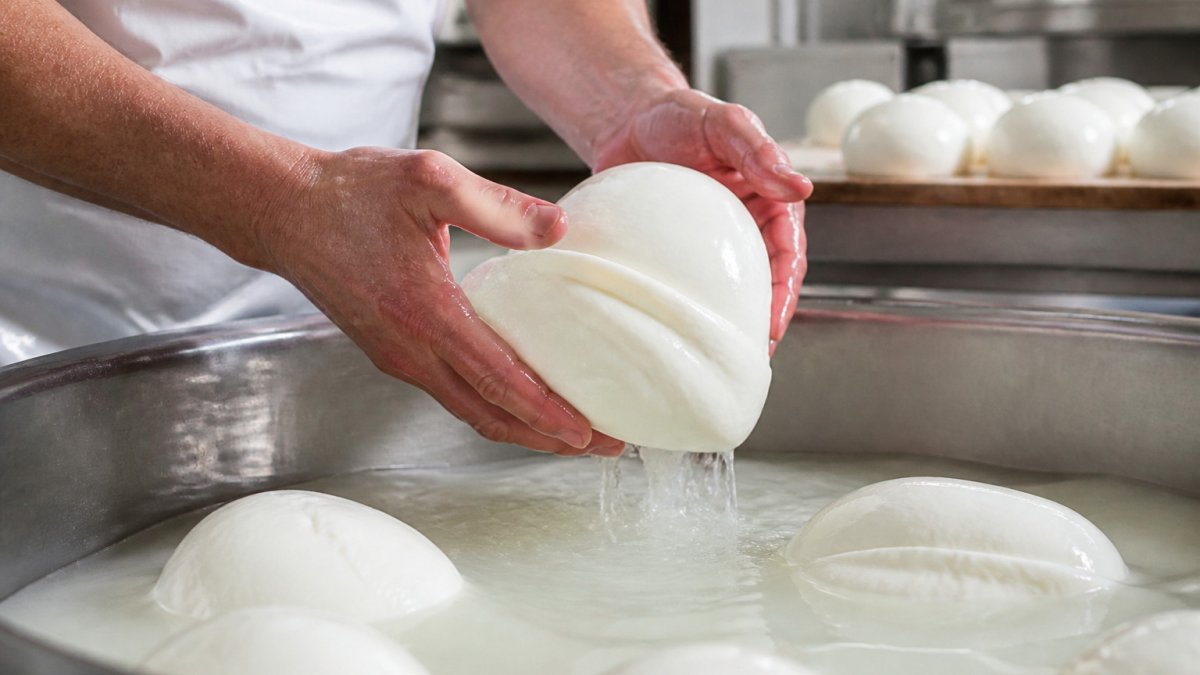
Locally made mozzarella is cheese produced close to where it is sold. Leo's Gourmet Market carries fresh mozzarella alongside handmade sausage and artisan breads, and the shorter distance from production to shelf is the core of the appeal. Mozzarella is a fresh cheese, so the time between making and eating matters more here than it does for aged cheeses.
Mozzarella is traditionally made by stretching curd in hot water, a process known as pasta filata. The fresher the curd when it is stretched, the softer and milkier the finished cheese tends to be. Shorter transport times help keep that texture intact.
Freshness and Flavor: Why Local Mozzarella Tastes Different
Fresh mozzarella is at its best within a short window after it is made. Cheese that travels long distances or sits in cold storage for weeks loses some of its milky sweetness and springy texture. Local cheese usually reaches the counter sooner, so the flavor you taste is closer to what the cheesemaker intended.
Moisture matters too. Fresh mozzarella holds a lot of water, and that water is part of what makes it soft and juicy. Cheese that has been handled, shipped, and stored for longer can feel drier or rubbery by comparison.
Freshness drives the difference, so here is how the key factors compare.
| Factor | Local mozzarella | Distant or stored cheese |
|---|---|---|
| Time to counter | Usually reaches the counter sooner | Longer transport and cold storage |
| Milky sweetness | Closer to the cheesemaker's intent | Loses sweetness over weeks |
| Texture | Soft and springy | Can feel drier or rubbery |
| Moisture | Holds its water content | Drier after handling and storage |
Fresh Mozzarella vs Shredded Mozzarella: Which to Buy
Fresh mozzarella and shredded mozzarella are not interchangeable. Fresh mozzarella is sold in balls or logs and is generally best eaten soon after purchase. Shredded mozzarella is usually a low-moisture product, firmer and drier, made to melt evenly on pizza and in baked dishes.
For a caprese salad, an appetizer board, or a simple plate with bread and olive oil, fresh mozzarella is the better choice. For a casserole or a pizza that bakes for a long time, shredded low-moisture cheese may hold together better. If you are weighing fresh cheese for a gathering, see this fresh mozzarella delivery planning guide for local events. Many home cooks keep both on hand for different uses.
How to Verify That Mozzarella Is Genuinely Local
"Local" is not a regulated term on cheese labels the way "USDA Organic" or "Grade A" are, so the word on a package tells you very little on its own. The practical work is separating cheese that was actually made nearby from cheese that was made in a distant plant and merely repackaged or cut at a local counter. A few concrete checks close that gap quickly.
Read the label for the maker, not the seller. Look for a producer name and a production address, not just a store name. A label that lists only the market or a distributor is a signal to ask further.
Ask for the make date, not just the sell-by date. Fresh mozzarella is a short-shelf-life product, and the make date is the number that matters. If the only date available is a distant sell-by, the cheese may have been made earlier and stored for longer than expected.
Ask where the milk came from. Local cheese made from milk shipped in from hundreds of miles away is a different product from cheese made from nearby dairy milk. Ask whether the producer sources from named farms and whether the milk is processed on-site or at a separate plant. A creamery that receives raw milk and stretches curd in the same facility has a shorter, more traceable chain.
Check the format and packaging. Fresh mozzarella sold in brine or whey, in a container packed by the producer, is more likely to be locally made than a vacuum-sealed block with a national distributor's code. Repackaged cheese often loses the producer's original label, so ask to see the original case or invoice if you are buying at a counter.
Use a short buyer checklist. Before you commit, confirm: the producer's name and location; the make date; the milk source; whether the cheese is packed in brine, whey, or vacuum-sealed; and how it has been stored since delivery. A shop that can answer all five without hesitation is selling you something it actually knows. Vague answers on two or more are a reason to look elsewhere.
This is the step most mozzarella guides skip. They explain what the cheese is; they rarely tell you how to confirm that the "local" claim on the label is real. Asking these five questions is the difference between buying local mozzarella and buying the word "local."
TO SEE OUR DAILY MENU CLICK HERE!(CONCORD COMMONS LOCATION ONLY) →
Fresh Mozzarella Appetizers That Show Off Local Cheese
Fresh mozzarella is one of the easiest ways to make an appetizer feel special. Slice it thick and pair it with ripe tomatoes, fresh basil, a drizzle of good olive oil, and a pinch of flaky salt. Served on a board with crusty bread, it is ready in minutes.
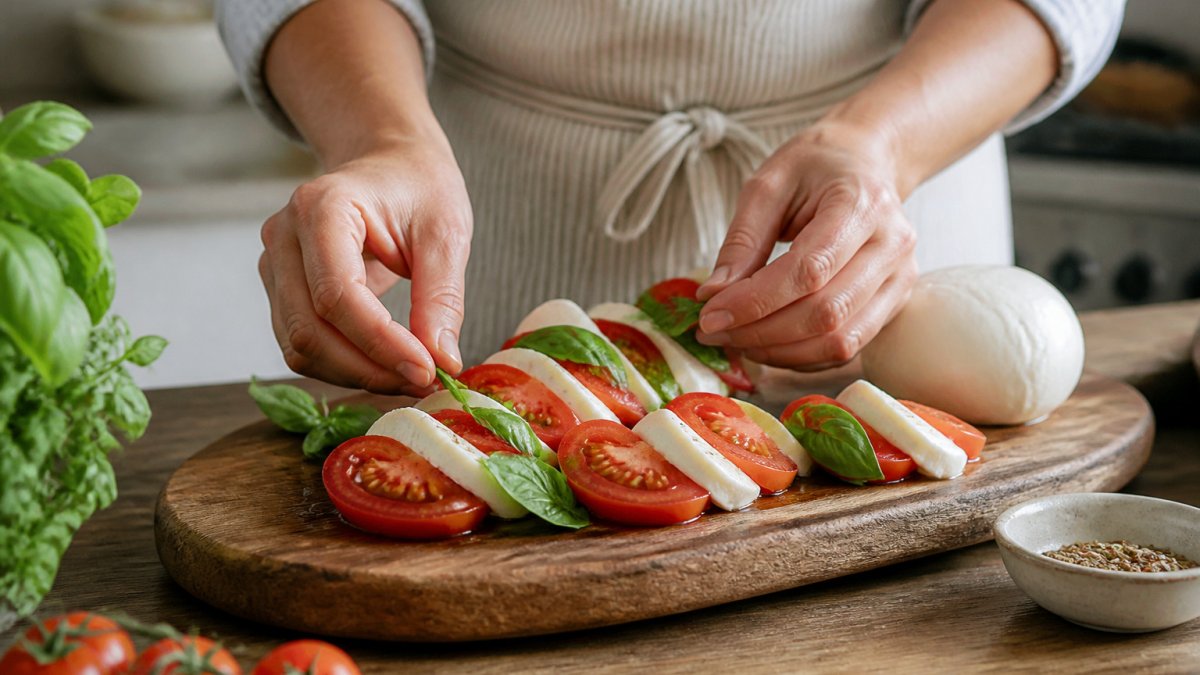
For a larger gathering, consider Leo's Gourmet Market's catering options. Our complete event catering menu guide walks through building a full menu around local mozzarella. Pricing depends on quantity, date, and delivery, so check the market directly for a current quote. You can also browse catering options for ready-made appetizer ideas.
How to Store Fresh Mozzarella and How Long It Lasts
Fresh mozzarella is a high-moisture cheese, and that moisture is both what makes it good and what makes it perishable. How you store it, and how long it keeps, depends on whether it is packed in brine, whey, or sold loose, and on how fresh it was when you bought it.
Keep it cold and keep it wet. Refrigerate fresh mozzarella at or below 40°F, which is the standard cold-holding temperature for perishable dairy. Leave it in its original liquid if the container is unopened. Once opened, transfer the cheese to a clean container and cover it with the brine it came in, or with a little milk if the brine is gone. The liquid keeps the surface from drying out and slows the loss of that soft, springy texture. Do not store fresh mozzarella in plain water, it pulls flavor and salt out of the cheese.
Know the realistic shelf life. Fresh mozzarella is perishable, so follow the maker's date on the package. Low-moisture shredded mozzarella is a different product and keeps considerably longer than fresh cheese.
Watch for the signs. Fresh mozzarella that has turned should smell sour or ammonia-like, feel slimy on the surface, or show pink or yellow discoloration. A little cloudy brine is normal; a strong off-odor is not. When in doubt, discard it, fresh cheese is not a product to push past its date.
Freeze with caution. Freezing changes the texture of fresh mozzarella, so it is better suited to cooking than to fresh uses such as caprese salad.
Match storage to use. If you plan to eat the cheese within a day or two, buy fresh and keep it in brine. If you want cheese for weeknight pizza or a casserole, a low-moisture product stored in the refrigerator is the more practical buy. Fresh mozzarella is a short-window purchase, which is why the make date matters. For more on keeping fresh foods at home, read how to store fresh handmade sausage.
Questions to Ask Your Local Cheesemaker or Market Before You Buy
Before you buy, a few questions can tell you a lot. Ask when the cheese was made and how far it traveled. Ask what milk it uses and how it is stored. Ask how long it keeps once you get it home and what it is best used for.
Staff who know their products can answer these questions. To buy fresh artisan products online, see how to order fresh artisan bread online. If you have dietary needs, ask about those as well.
Choosing locally made mozzarella supports nearby producers, puts fresher cheese on your table, and gives you a clear answer when someone asks where your food came from. Visit Leo's Gourmet Market in Concord to see what is on the daily menu.
Frequently Asked Questions
What are the benefits of locally made mozzarella?
Shorter transport distances generally mean less handling for fresh cheese, which can help preserve its milky flavor and soft texture. Shorter transport also means less handling and fewer temperature swings. Buying local keeps money in your community, supports nearby dairy farms, and gives you a direct line to the people making the cheese. Ask the producer about production dates and milk sources to confirm the benefits you are paying for.
Is fresh mozzarella better than shredded mozzarella?
It depends on the job. Fresh mozzarella has high moisture, a soft, milky taste, and melts into creamy pools, which makes it ideal for salads, caprese, and baked appetizers. Shredded mozzarella is usually low-moisture and aged, so it melts more evenly and browns well on pizza and casseroles. For a dish where the cheese is the star, choose fresh. For everyday cooking where even melting matters more, shredded is the practical pick.
How long does fresh mozzarella last after opening?
Check the package date and the smell before using fresh mozzarella, and discard cheese that tastes sour, looks slimy, or has an off odor. Freezing changes the texture of fresh mozzarella, so it is better suited to cooking than to fresh uses.
How can you tell if mozzarella is fresh?
Fresh mozzarella should feel moist and smooth, with a clean, mild milky smell and no sharp or sour odor. Look for a production or packing date on the label and buy the most recent batch. Cheese that is sitting in excess liquid, has a dry or rubbery surface, or shows discoloration is past its best. Asking the market when the cheese was made is an easy way to check.