 How-to
How to Store Fresh Handmade Sausage
Table of Contents
- Refrigerator Storage for Fresh Handmade Sausage
- How Long Does Fresh Sausage Last in the Fridge
- How to Freeze Homemade Sausage
- How to Thaw Frozen Sausage Safely
- How to Tell If Sausage Is Bad
- Safe Handling Practices and Clean Hands
- Storage Differences for Homemade vs. Store-Bought Sausage
- Frequently Asked Questions
Last Updated: October 21, 2026
Refrigerator Storage for Fresh Handmade Sausage
To store fresh handmade sausage safely and keep it delicious, cold storage is essential. At Leo's Gourmet Market, proper refrigeration is the first line of defense, where you store it and at what temperature matters.
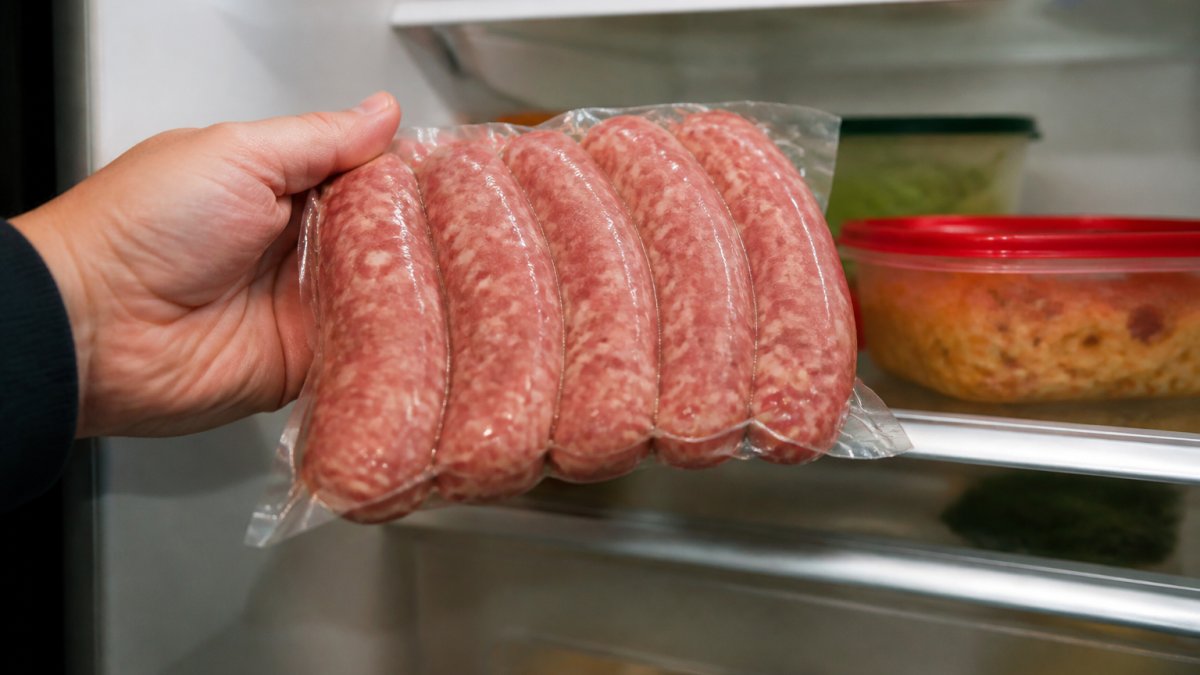
Store fresh sausage in the coldest part of your refrigerator, not on the door, which is the warmest spot because it opens and closes constantly. Your sausage will last longer in the back of a shelf or in a dedicated meat drawer.
Choosing the Coldest Spot in Your Refrigerator
If your refrigerator has a meat drawer, use it. These drawers maintain lower temperatures and keep raw meat separate from other foods, preventing cross-contamination. Place your handmade sausage in an airtight container or on a plate inside the drawer.
Keep sausage away from ready-to-eat foods by storing it below vegetables and cooked items, so raw juices cannot drip onto other foods. Always use separate cutting boards and utensils for raw sausage.
Recommended Refrigerator Temperature
Your refrigerator should stay at 40°F or below to significantly slow bacterial growth (the FDA). Many fridges run warmer, so check with a thermometer.
If your fridge runs warmer than 40°F, adjust the dial or digital control toward "colder" until you reach the proper temperature, this protects all your perishable foods, not just sausage.
When you store fresh handmade sausage, remember it needs extra attention to temperature control.
How Long Does Fresh Sausage Last in the Fridge
Fresh handmade sausage lasts 1 to 2 days in the refrigerator when stored properly.
If you purchased fresh sausage from Leo's Gourmet Market, use it within 1 to 2 days for best quality and check the label for specific guidance. Once opened, use it within 24 hours, air exposure speeds bacterial growth.
Temperature matters more than anything else: a fridge at 35°F keeps sausage fresher longer than one at 40°F. If you won't use it within 2 days, freeze it immediately.
Don't rely on smell or appearance alone, sausage can look and smell fine while harboring harmful bacteria. When in doubt, throw it out.
How to Freeze Homemade Sausage
Freezing is the most reliable way to extend the life of fresh handmade sausage. The U.S. Department of Agriculture (USDA) advises freezing fresh sausage at 0°F or below; it stays safe indefinitely, but for best eating quality use it within 1 to 2 months.
Cool and Freeze Immediately After Stuffing
- Freeze what you will not eat within 1 to 2 days. Anything beyond that window goes straight to the freezer.
Portion for Small Batches Before You Freeze
- Do not overpack. Leave a small headspace in rigid containers so the sausage is not crushed as it freezes.
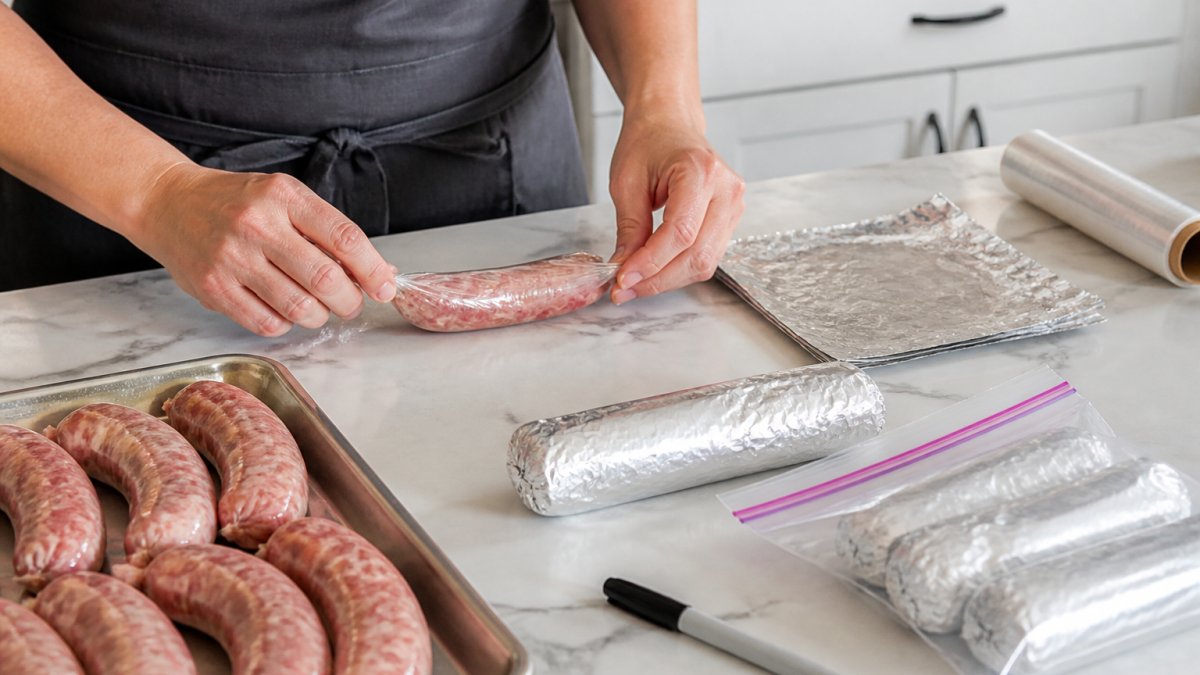
Package to Block Air and Moisture
Freezer burn is dehydration: air pulls moisture from the meat's surface, leaving it gray, dry, and tough. It is a quality problem, not a safety problem, and it is preventable.
Label Every Package With Two Dates
A label is the difference between using your sausage at its best and finding it a year later. Write on the bag or container before freezing:
- Contents, for example, "Pork links, hot Italian" or "Bulk breakfast sausage."
- Freeze date, the day it went into the freezer.
- Target use-by date, 1 to 2 months for best quality.
A strip of masking tape and a permanent marker works as well as printed labels. Keep a running list on the freezer door or in a notes app so you rotate the oldest packages to the front.
Store in the Coldest Part of the Freezer
As with the refrigerator, location matters. The freezer door and top shelf are the warmest, most temperature-variable spots. Put sausage on a back shelf or the bottom of the freezer, where it stays coldest and most stable, and check the temperature with a thermometer rather than trusting the dial.
How to Thaw Frozen Sausage Safely
The USDA's guidance is consistent: never thaw perishable food on the counter, because bacteria multiply rapidly in the 40°F to 140°F danger zone. Pick a method that keeps the sausage cold or moves it through that zone quickly.
Method 1: Refrigerator Thawing (Best Quality)
This is the safest, highest-quality method, the one to plan around.
- Timing: Allow about 24 hours for a 1-pound package of links or a 1-inch-thick flat pack. A large solid block may need 24 to 48 hours.
- Placement: Put the sausage on a plate or in a rimmed container on the bottom shelf, below ready-to-eat foods, so drips cannot contaminate anything else.
- Use window: Cook refrigerator-thawed sausage within 1 to 2 days. Do not put it back in the refrigerator indefinitely.
- Refreezing: Sausage thawed in the refrigerator can generally be refrozen if it stayed at 40°F or below the whole time, though quality will suffer, expect more moisture loss and a drier texture when cooked.
Method 2: Cold Water Thawing (Fast and Safe)
Use this when you need sausage today but did not plan ahead.
- Keep the sausage in a leak-proof bag, do not let water touch the meat.
- Submerge the bag in cold tap water.
- Change the water every 30 minutes so it stays cold.
- Allow roughly 1 hour per pound, or 1 to 2 hours for a typical package.
- Cook immediately after thawing. Do not refreeze sausage thawed in cold water.
Method 3: Microwave Thawing (Cook Immediately)
Microwave thawing is fast but uneven, edges can begin to cook while the center is still frozen. Follow the appliance's thaw setting, separate links as they loosen, and cook immediately. Never refreeze microwave-thawed sausage.
Cooking From Frozen
You do not have to thaw at all. Thin links and bulk sausage can be cooked from frozen, especially when browning crumbles for a sauce or simmering links in liquid. Expect roughly 50 percent more cooking time and use a meat thermometer to confirm doneness. Cook sausage to an internal temperature of 160°F.
Refreezing: A Simple Decision Guide
| Situation | Refreeze raw? |
|---|---|
| Thawed in the refrigerator at 40°F or below, never left out | Yes, quality permitting |
| Thawed in cold water | No, cook it |
| Thawed in the microwave | No, cook it |
| Left at room temperature more than 2 hours | No, discard |
| Cooked after thawing | Yes, refreeze the cooked sausage |
The rule behind the table: refreezing is about how the sausage was handled, not about freezing itself. Each thaw cycle gives bacteria another chance to multiply. If you thawed safely in the refrigerator and the sausage is still cold, refreezing is acceptable; if it passed through the danger zone, cook it or throw it out.
TO SEE OUR DAILY MENU CLICK HERE!(CONCORD COMMONS LOCATION ONLY) →
How to Tell If Sausage Is Bad
Spoiled sausage shows clear warning signs, but some bacteria don't produce obvious ones. Trust your senses, and when in doubt, discard it.
Look for color changes. Fresh sausage should be pink or reddish; gray or brown discoloration means it's past its prime, and mold or slime means it's definitely bad.
Smell the sausage. Fresh sausage has a mild meat smell. A sour, off, or unpleasant odor means bacteria have taken over. Don't taste sausage to check if it's bad. Cooking won't make spoiled sausage safe.
Check the texture. Fresh sausage feels firm and slightly springy. Slimy or sticky texture indicates bacterial growth. If it feels mushy or falls apart easily, it's spoiled.
Pay attention to when you purchased the sausage. If it's been more than 2 days in the fridge, assume it's unsafe. Even if it looks and smells okay, harmful bacteria may be present. Time is the most reliable indicator.
Safe Handling Practices and Clean Hands
Clean hands prevent cross-contamination when handling raw sausage. Wash with soap and warm water for at least 20 seconds before and after touching raw meat.
Use separate cutting boards for raw sausage and other foods. Designate one board for raw meat only and wash it thoroughly with hot soapy water after each use.
Clean all utensils, plates, and surfaces that touch raw sausage. Use hot soapy water or a dishwasher. Don't let raw sausage juice sit on counters.
Keep raw sausage separate from ready-to-eat foods in your refrigerator. Store it on the lowest shelf in a sealed container. This prevents drips onto other foods. Never let raw sausage touch cooked foods.
Thaw sausage in the refrigerator, not on the counter. The 40°F to 140°F danger zone allows bacteria to multiply rapidly.
Cook sausage to an internal temperature of 160°F. Use a meat thermometer inserted into the thickest part without touching bone or casing.
Storage Differences for Homemade vs. Store-Bought Sausage
Store-bought sausage often contains preservatives and curing salts that extend shelf life significantly, some varieties last 3 to 5 days in the refrigerator. Check the package label for specific guidance.
Fresh handmade sausage is made with just meat, spices, and casing.
Smoked sausage lasts longer than fresh sausage because the smoking process adds preservation, 5 to 7 days in the refrigerator. Cured sausage lasts even longer due to salt content.
The ingredients and casing type affect storage time: high salt content keeps longer, natural casings may differ slightly from synthetic, and leaner sausage spoils faster than fattier varieties.
When you buy sausage from Leo's Gourmet Market, our team provides clear storage guidance. Our handmade sausage is made fresh with quality ingredients; follow the label instructions and use it within 1 to 2 days for peak flavor and safety.
Frequently Asked Questions
How long does fresh handmade sausage last in the refrigerator?
Fresh, raw sausage keeps in the refrigerator for 1 to 2 days when stored properly at 40°F or below. Once cooked, sausage lasts 3 to 4 days in the fridge. Always store it in the coldest part of your refrigerator, typically the back of the bottom shelf.
Can you freeze fresh handmade sausage, and how long does it last?
Yes, freezing is one of the best ways to store fresh handmade sausage long-term. Raw sausage freezes well for up to 2 to 3 months when wrapped properly in airtight containers, vacuum-sealed bags, or heavy-duty freezer bags. Cooked sausage lasts 2 to 3 months in the freezer. Proper packaging prevents freezer burn and maintains quality. Label your packages with the date so you know when you froze them.
How do you thaw frozen sausage safely?
The safest method is refrigerator thawing: transfer frozen sausage to the fridge and allow 24 hours to thaw completely. Cold water thawing works faster (1 to 2 hours) if you seal the sausage in a leak-proof bag and submerge it in cold water, changing the water every 30 minutes. Cook thawed sausage immediately; do not refreeze raw sausage after thawing unless you cook it first.
How can you tell if fresh sausage has gone bad?
Spoiled sausage shows clear warning signs: a sour or off smell, slimy or sticky texture, gray or brown discoloration, or visible mold. Fresh sausage should smell like the spices and meat it contains, not rancid or sour. If you notice any of these signs, discard the sausage immediately. When in doubt, throw it out. Trust your senses.
Proper storage keeps your fresh handmade sausage safe and delicious. Store it in the coldest part of your refrigerator at 40°F or below, use it within 1 to 2 days, and freeze for longer storage. At Leo's Gourmet Market, we craft every batch of handmade sausage with quality ingredients and care. Follow these storage guidelines, and your sausage will taste its best every time you cook it.