 How-to
How to Reheat Gourmet Meals Without Drying Them Out
Last Updated: November 7, 2026
Quick Summary
The best way to reheat gourmet meals is to match the method to each component, using a covered oven at 325°F to 350°F for most entrées and a microwave in short bursts for individual portions. Always check the label first and heat to 165°F at the thickest part, using a food thermometer.
- Check the storage date and heating instructions on the label before reheating.
- Heat food to 165°F at the thickest part, measured with a food thermometer.
- Use an oven at 325°F to 350°F, covered with foil, for most entrées.
- Microwave in short bursts at medium power, covered with a damp paper towel.
- Add one to two tablespoons of water per cup of rice before covering and microwaving.
Table of Contents
- How to Reheat Prepared Meals Safely Before You Start
- Choosing the Right Reheating Method by Meal Component
- Best Ways to Reheat Gourmet Meals in the Oven
- Best Ways to Reheat Gourmet Meals in the Microwave
- Stovetop and Air Fryer Methods for Plated Meals
- The Best Way to Reheat Rice and Starches
- Plan Your Next Weeknight Dinner With Leo's
- Frequently Asked Questions
How to Reheat Prepared Meals Safely Before You Start
Reheating gourmet meals well starts before the oven or microwave is turned on. Our entrées are freshly prepared for home reheating, so a little preparation goes a long way. For tips on organizing batches of prepared meals for a busy household, see meal prep planning for busy families.
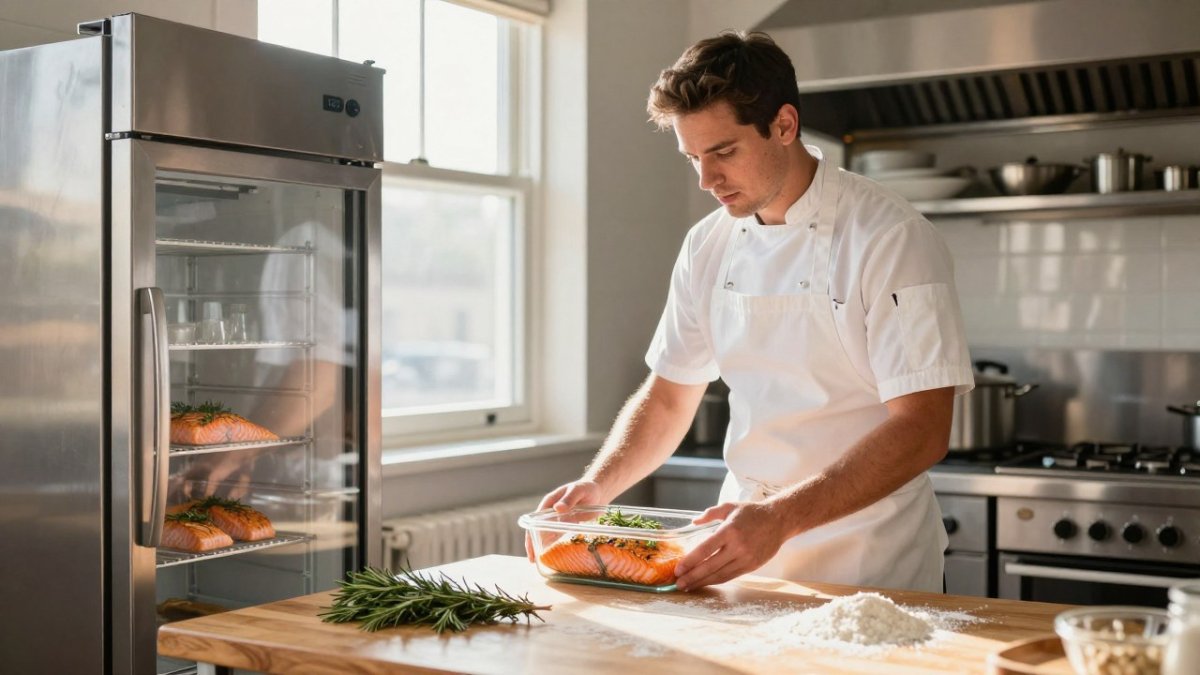
The first step is simple: check the label. Every prepared meal should show a storage date and heating instructions. Follow those first, then use the general rules below.
Check the Label and Storage Date First
Look at the date before you do anything else. A meal that has been in the fridge for several days needs to be eaten or reheated sooner than one that was just picked up.
- Read the heating instructions on the container
- Note the date the meal was packed or sold
- Keep meals refrigerated until you are ready to heat them
- Eat leftovers within a few days, as the label recommends
Watch out: a meal left on the counter to "warm up" before reheating can spend hours in the danger zone for bacteria, so keep it cold until heating time.
Reheat to 165°F Internal Temperature
The safest target is 165°F at the thickest part of the food. The USDA Food Safety and Inspection Service recommends this temperature for leftovers and precooked foods (USDA Food Safety and Inspection Service leftovers guidance).
Use a food thermometer instead of guessing. Check the center of the largest piece, and make sure sauces and gravies bubble all the way through.
Choosing the Right Reheating Method by Meal Component
Gourmet meals are composed dishes, not single-ingredient leftovers. If you are handling fresh handmade sausage, learn how to store it before reheating. A tender protein, a starch, a vegetable, and a sauce each respond differently to heat, so the best results come from matching the method to the component rather than reheating the whole plate as one unit. Use the guide below to choose a method by component, portion size, and the texture you want to preserve.
Match the Method to the Component
- Delicate proteins (fish, sliced poultry, pork tenderloin, steak): Oven at 300°F to 325°F, covered, or a covered skillet over low heat. Aim for gentle, even warmth rather than a hard sear, which can push already-cooked proteins past their intended doneness.
- Braised and saucy proteins (short ribs, braised chicken, stewed meats): Stovetop over low heat in their sauce, or oven at 325°F covered. The sauce protects the meat and keeps it from drying.
- Creamy and butter-based sauces: Stovetop over low heat, stirred constantly, or microwave in short bursts at medium power. High heat can break a cream sauce or cause it to separate.
- Tomato- and stock-based sauces: Stovetop over medium-low heat until simmering, stirring occasionally. Bring to a gentle bubble, then reduce heat.
- Rice, grains, and pasta: Microwave covered with a splash of water, or stovetop in a covered pan with a tablespoon or two of liquid per cup. These starches rehydrate better with trapped steam than with dry heat.
- Roasted and root vegetables: Air fryer at 350°F or oven at 375°F, uncovered, to restore edges. For softer vegetables, a covered pan or a quick steam works better than dry heat.
- Green vegetables and delicate produce: Microwave covered for a short burst, or a quick steam on the stovetop. Prolonged oven heat dulls color and softens texture.
- Breaded and fried items: Air fryer at 350°F to 375°F, uncovered, or oven on a rack at 375°F. Covering these traps steam and turns a crisp crust soggy.
- Composed dishes (layered casseroles, stuffed items, grain bowls): Oven covered at 325°F to 350°F for the bulk of the time, then uncovered briefly if the top needs refreshing. Separate crisp toppings and add them after heating.
Use Portion Size and Desired Texture as Tiebreakers
When two methods would both work, let portion size and texture decide. A single portion heats faster and more evenly in a microwave or small skillet; a family-sized portion does better in the oven, where heat surrounds the food. If you want a crisp edge, choose the air fryer or an uncovered oven finish.
Watch out: reheating a whole plated meal in one container often overcooks the most delicate component while the densest one is still cool in the center, so separate components when the dish allows it.
The article matches each meal component to a reheating method, so the table below summarises those pairings for quick scanning.
| Component | Best method | Key tip |
|---|---|---|
| Delicate proteins (fish, sliced poultry, steak) | Oven at 300°F to 325°F, covered | Gentle, even warmth, not a hard sear |
| Braised and saucy proteins | Stovetop low, or oven at 325°F covered | Sauce protects the meat from drying |
| Creamy and butter-based sauces | Stovetop low, stirred, or microwave medium | High heat can break the sauce |
| Tomato- and stock-based sauces | Stovetop medium-low | Simmer gently, stir occasionally |
| Rice, grains, and pasta | Microwave covered with water, or covered pan | Trapped steam rehydrates starches |
| Roasted and root vegetables | Air fryer at 350°F or oven at 375°F, uncovered | Restores edges |
| Green vegetables | Microwave covered briefly, or quick steam | Prolonged oven heat dulls color |
| Breaded and fried items | Air fryer at 350°F to 375°F, uncovered | Covering turns crust soggy |
Best Ways to Reheat Gourmet Meals in the Oven
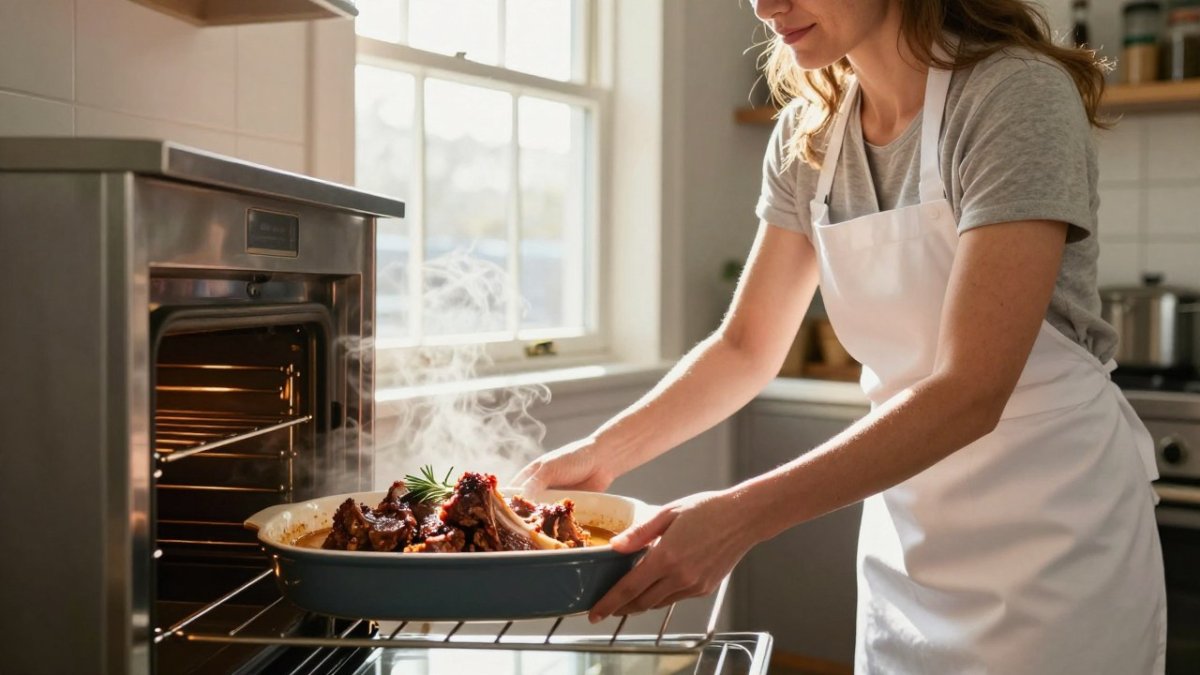
The oven is the best choice for most entrées. It heats food evenly and keeps proteins moist when used at the right temperature. Set the oven to 325°F to 350°F and cover the dish with foil.
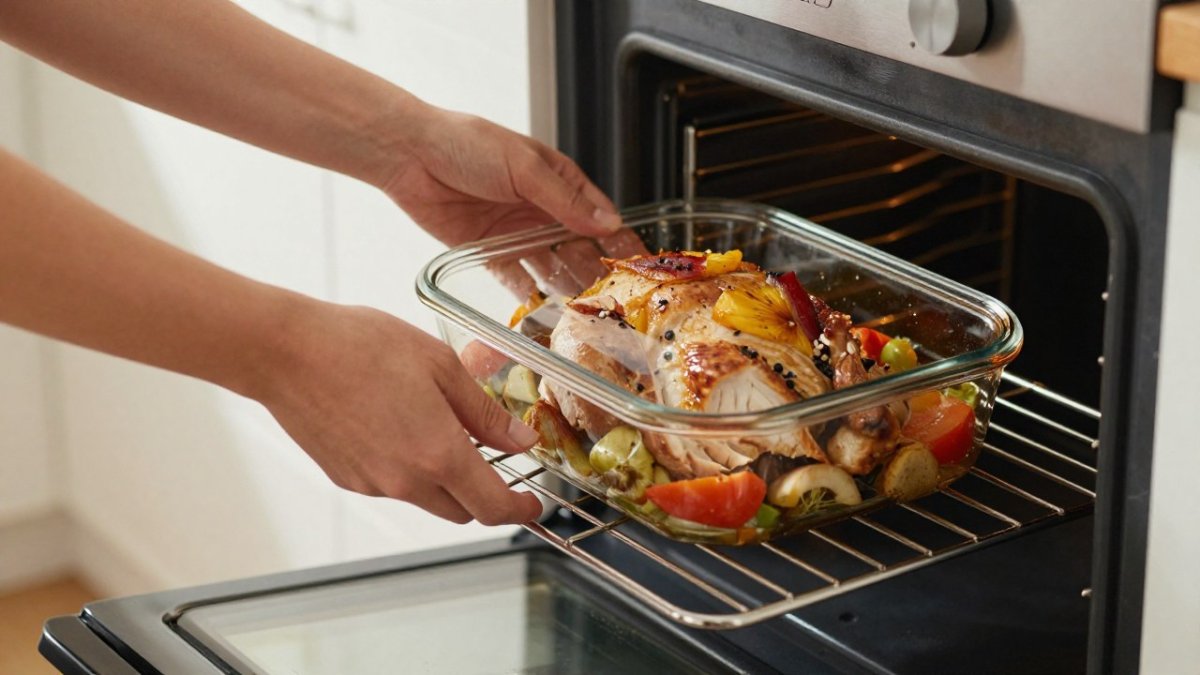
Keep the lid or foil on for most of the time. This traps steam and prevents drying. Remove it for the last few minutes if you want a little browning on top.
!Hands sliding a covered oven-safe container of sliced roast chicken and vegetables onto a rack in a home kitchen oven
Transferring Entrées to Oven-Safe Dishes
Freshly prepared meals in oven-safe containers can be heated right in the package. If you prefer a different dish, transfer the food to a baking dish that fits the portion snugly. A dish that is too large lets the food dry out.
- Spread food in a single layer when possible
- Add a spoon of broth or sauce before covering
- Use heavy-duty foil or a lid to hold in moisture
- Let the dish rest for two minutes before serving
Best Ways to Reheat Gourmet Meals in the Microwave
The microwave is fast, but it can dry out food if you rush it. Heat in short bursts, not one long cycle. Start with two to three minutes on medium power, then check and stir.
Cover the container with a damp paper towel or a microwave-safe lid. This creates steam, which keeps the meal soft. Let the food stand for a minute after heating, so the heat spreads through the middle.
A common mistake is using full power the whole time. Medium power heats more evenly and gives you a better texture.
Stovetop and Air Fryer Methods for Plated Meals
The stovetop and air fryer are the two methods that give you the most control over texture, but they reward attention and punish guesswork. Use the stovetop when you want gentle, moist heat and the ability to stir and taste as you go. Use the air fryer when you want to restore crisp edges and browned surfaces without heating the whole oven.
Stovetop Reheating
The stovetop works best for sauces, stews, braises, and any dish with liquid. Add a splash of water, stock, or the dish's own sauce, cover the pan, and heat over low to medium-low heat. Stir gently and often so the bottom does not scorch, and bring the food to a gentle simmer rather than a rolling boil.
Watch out: a dry pan over high heat will scorch a sauce or dry out a protein before the center is hot, so keep the heat low and add liquid early.
Air Fryer Reheating
The air fryer is the best choice for breaded items, roasted vegetables, pizza, and anything that needs crisp edges. Set it to about 350°F to 375°F and start with less time than you think you need, checking every couple of minutes. Arrange food in a single layer with space between pieces so the hot air can circulate; crowding steams the food instead of crisping it. Air fryers vary widely by model and wattage, so treat any timing as a starting point and rely on sight and a thermometer.
Packaging and Transfer
Do not put original packaging in the stovetop or air fryer unless the label explicitly says it is safe for that method. Transfer food to a skillet, saucepan, or air-fryer-safe basket first. Remove lids, films, and any garnish that should stay raw, and add delicate garnishes after heating.
Food-Safety Targets for Both Methods
Whatever method you choose, reheat to 165°F at the thickest part of the food, using a food thermometer rather than guessing. Stir sauces and gravies so they heat through evenly, and check the center of the largest piece of protein. Avoid reheating the same portion more than once; if you expect leftovers, portion out only what you plan to eat and refrigerate the rest promptly.
The Best Way to Reheat Rice and Starches
Rice and pasta dry out quickly and can become hard. Add one to two tablespoons of water per cup of rice, cover tightly, and microwave until hot. Fluff with a fork before serving.
Potatoes and grains do best in the oven, covered with foil, with a little butter or oil. Heat until steaming all the way through.
Plan Your Next Weeknight Dinner With Leo's
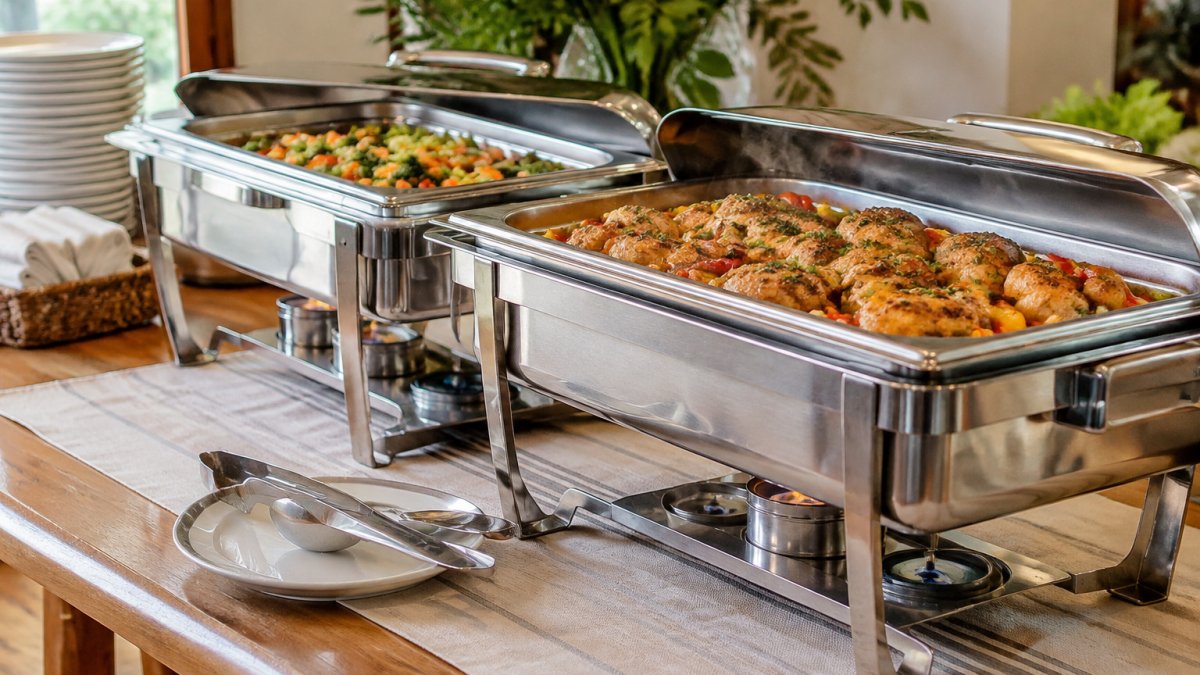
Reheating a great meal should feel easy, not like a chore. If you want to skip cooking, you can see what is on the menu today and pick something that suits your family. For a gathering or event, browse our catering options.
We hope these tips help you bring your leftovers back to life. Happy reheating from all of us at Leo's Gourmet Market.
Frequently Asked Questions
Is it better to reheat prepared meals in the oven or microwave?
The oven gives more even heat and better texture for roasted meats, crisp vegetables and sauced entrées, but it takes longer, usually 20 to 30 minutes at 325°F to 350°F. The microwave is faster and works well for soups, pasta and rice, especially when you cover the dish and stir partway through. For gourmet entrées with components that need different treatment, reheat the protein in the oven and add delicate sides or sauces during the last minute or two. Either way, verify the food reaches 165°F in the thickest part before eating.
How do you reheat gourmet meals without drying them out?
Moisture loss is the main reason reheated food tastes disappointing. Cover the container with foil or a lid, add one to two tablespoons of water, broth or the reserved sauce, and use moderate heat rather than high heat. Lower oven temperatures and shorter microwave bursts keep proteins tender. Stir or rotate the dish midway so heat distributes evenly, and let the meal rest for two minutes before serving so the juices settle.
What is the safest way to reheat leftovers?
Reheat leftovers until the thickest part reaches 165°F, checked with a food thermometer. Heat only the portion you plan to eat, because repeated reheating raises food safety risks. Refrigerate leftovers within two hours of cooking and eat them within three to four days. Stir sauces and soups thoroughly during heating, since microwaves often leave cold spots.
How long should you reheat a prepared meal?
Most refrigerated entrées take 20 to 30 minutes in a 325°F to 350°F oven, depending on portion size and whether the dish is covered. In a microwave, plan on 2 to 4 minutes on medium power for a single portion, stirring and checking every minute. Thin slices and delicate fish need less time than dense casseroles or whole roasted pieces. Always confirm the internal temperature reaches 165°F rather than relying on time alone.