 How-to
How to Find Fresh Prepared Meals: A 2026 Guide
Table of Contents
- A Step-by-Step Method for Finding Fresh Prepared Meals
- Fresh Prepared Meals Near Me: A Location-Independent Search Strategy
- How to Choose a Meal Delivery Service That Fits Your Life
- Grocery Store Prepared Meals vs. Local Providers: What to Expect
- How Long Do Fresh Prepared Meals Last? Freshness and Safety Basics
- Comparing Total Cost and Value: Fresh Prepared Meals vs. Alternatives
- Dietary Needs, Allergens, and Ingredient Transparency
- Frequently Asked Questions
Last Updated: October 8, 2026
A Step-by-Step Method for Finding Fresh Prepared Meals
Figuring out how to find fresh prepared meals comes down to matching your weekly routine with a provider who cooks on a schedule you can trust. At Leo's Gourmet Market, we talk with families every week who want real food without the cooking marathon.
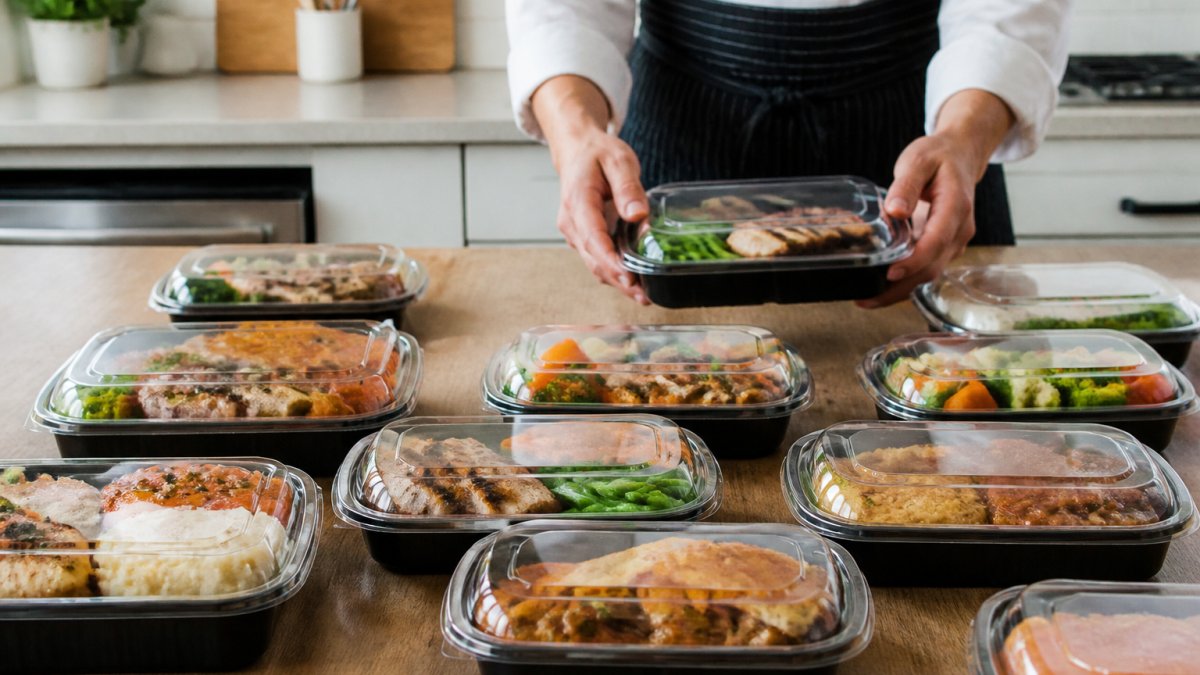
Fresh prepared meals are entrées cooked in a licensed kitchen, packaged for home reheating, and meant to be eaten within a few days rather than stored for months. That definition matters because it separates them from frozen dinners and shelf-stable boxes.
Step 1: Define Your Weekly Needs
Start with a simple count. How many dinners do you actually need covered, and on which nights? A busy professional might need three weeknight meals for two people. A family might need five dinners plus a couple of lunches.
Write down three things before you search:
- Number of meals per week and servings per meal
- Nights when cooking is impossible versus nights you have time
- Any dietary needs in your household, such as gluten-free or vegetarian
This list becomes your filter. Without it, every menu looks appealing and you end up over-ordering.
Step 2: Search Local and Online Sources
Search for local providers first, then compare national delivery options. Local markets, specialty grocers, and independent kitchens usually cook in smaller batches and rotate menus more often than large delivery services.
A practical search routine:
- Search for prepared meal providers in your area and check their current menus
- Ask in local community groups for recommendations from real customers
- Compare two or three providers side by side before ordering
- Order a small first batch to test quality before committing weekly
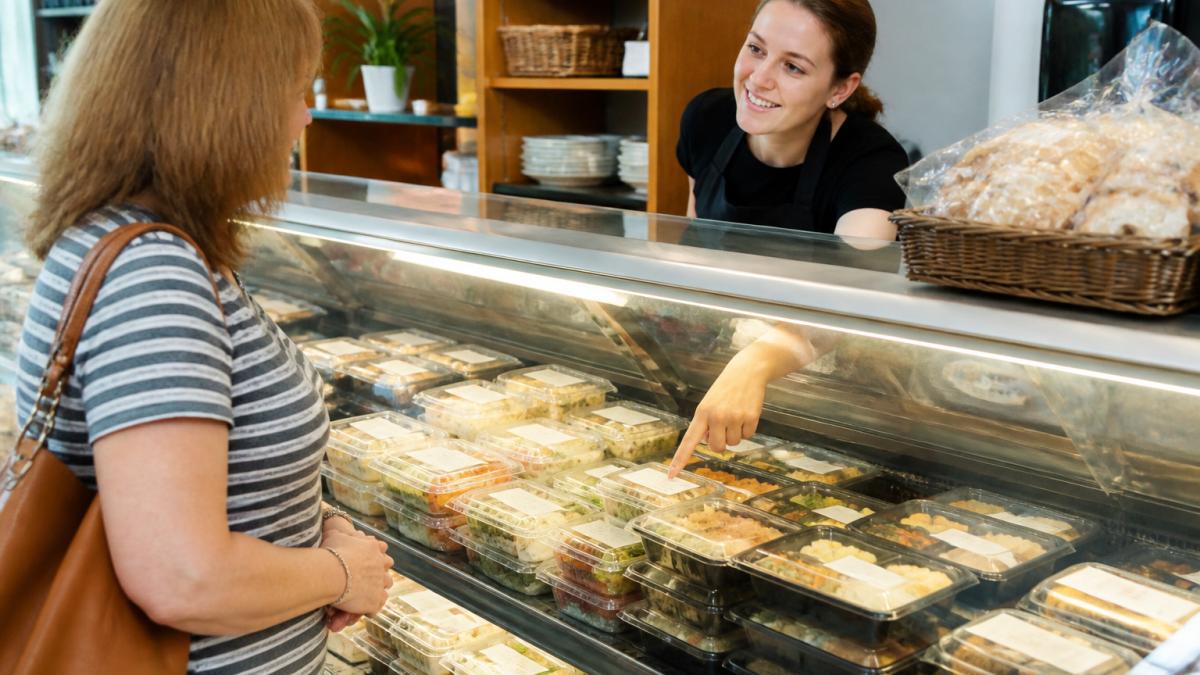
Step 3: Ask the Right Questions Before Ordering
Ask providers directly about preparation dates, ingredients, and reheating. A good provider answers without hesitation.
Questions worth asking:
- What day are the meals cooked, and when can I pick them up?
- How long do they keep in the refrigerator?
- Can you list the ingredients and flag allergens?
Fresh Prepared Meals Near Me: A Location-Independent Search Strategy
"Near me" searches only work when you already know what is around you, and they quietly cap your options at whoever pays for local ads. A stronger approach combines several search angles so you find providers whether you are at home, at work, or somewhere new, and so you can tell a real kitchen from a reseller.
The Four Search Angles That Actually Surface Providers
Run all four, then merge the results into one shortlist:
- ZIP code plus category. Search your ZIP code with "prepared meals," "ready-made meals," or "chef-prepared takeout." This catches providers whose names you would never guess.
- Category without location. Search "local meal prep," "small-batch prepared meals," or "home meal delivery." This surfaces regional and national services that ship, which matters if local options are thin.
- Adjacent categories. Search "grocery store prepared foods," "catering with weekly meal pickup," and "commissary kitchen meal pickup." Many small providers operate out of a shared commercial kitchen and list under catering rather than meal delivery.
- Community sources. Search local community groups and neighborhood forums for phrases like "weekly meal pickup" or "who cooks fresh dinners." Recommendations from real customers surface providers that do not advertise.
How to Read the Results Like an Editor
A search result is a lead, not an answer. Before you add a provider to your shortlist, open the menu page and check four things:
- Does the menu change? A dated weekly or daily menu signals active cooking. A menu with no dates and no rotation is often a static catalog.
- Is there a physical pickup location? A real address you can visit is a stronger signal than a website with no location.
- Are preparation and storage details published? Providers that post prep dates, reheating instructions, and shelf life are usually the ones that label their containers.
Make It Location-Independent
When you travel or move, repeat the same four searches in the new area. The category searches (angles two and three) work anywhere, which is what makes this method portable. Save your shortlist to a note with the provider name, pickup hours, and the smallest order size, so you can re-run the same process in a new ZIP code in about ten minutes.
How to Choose a Meal Delivery Service That Fits Your Life
Choosing a meal delivery service comes down to three factors: schedule flexibility, menu variety, and whether you want a subscription or pay-as-you-go ordering. Pick the model that matches how your week actually runs, not how you wish it ran.
| Priority | Best Option | Why It Fits |
|---|---|---|
| Last-minute dinners | Local market with daily menu | No subscription, buy only what you need |
| Predictable weekly meals | Meal prep service with fixed plans | Set schedule, consistent portions |
| Variety and rotation | Provider with daily rotating menu | New entrées without repeating |
| Dietary restrictions | Provider with labeled ingredients | Clear allergen and ingredient info |
| Large gatherings | Custom catering from a local kitchen | Scales from family dinner to events |
Subscription services suit people who eat the same style of food most weeks. Pay-as-you-go options suit households with unpredictable schedules. Many families mix both: a subscription for baseline weeknight coverage and a local market for the nights when plans change.
Grocery Store Prepared Meals vs. Local Providers: What to Expect
Grocery store prepared meals win on hours and impulse, while local providers usually win on freshness, portion size, and menu variety. The useful question is not which is better, it is which one fits a given night, and how to tell them apart before you buy.
Where Each One Actually Wins
Grocery store prepared foods sections are open long hours, require no planning, and let you buy a single portion. The trade-off is batch cooking and holding: hot-bar items sit under heat lamps, cold cases hold salads and entrées for extended periods, and selection often runs thin by evening.
Local and independent providers typically cook in smaller batches, print preparation dates, and rotate menus more often. You may need to order ahead or pick up during set hours.
How to Verify Freshness at the Counter
You can judge either option in about thirty seconds:
- Ask for the preparation date, not the sell-by date. A provider that can name the day the food was cooked is tracking it.
- Check the label. Reputable kitchens print prep dates, ingredient lists, and reheating instructions on every container.
- Look at the hold setup. Food held under heat lamps or in an open cold case has a shorter usable window than food packed and refrigerated immediately.
The Cost Comparison Most People Skip
Total cost is not the price on the container. Compare what you spend across a full week, including food you throw away, delivery fees, tips, and the value of your time:
TO SEE OUR DAILY MENU CLICK HERE!(CONCORD COMMONS LOCATION ONLY) →
- Fresh prepared meals: one price per meal, minimal waste, no cleanup.
- Grocery shopping and cooking: ingredient cost plus prep time and wasted food.
- Restaurant delivery: higher per-meal cost plus delivery fees and tips.
Pricing depends on portion size, menu selection, and order frequency, so ask each provider for current rates rather than assuming.
How Long Do Fresh Prepared Meals Last? Freshness and Safety Basics
Most fresh prepared meals keep three to four days in the refrigerator when stored properly, though this varies by ingredients and how the meal was packaged.
The USDA recommends refrigerating perishable food within two hours of cooking, and keeping your refrigerator at 40°F or below. USDA food safety guidance on refrigerating and storing food Freeze anything you will not eat within that window.
Signs a meal has gone past its prime:
- Off smells or a sour tang
- Slimy texture on proteins or sauces
- Visible mold or discoloration
When in doubt, throw it out. Reheating does not undo spoilage.
How to Verify Preparation Dates and Storage Conditions
Check the label first, then confirm with the provider. Reputable kitchens print preparation dates, ingredient lists, and reheating instructions on every container.
Ask these questions when you pick up or order:
- When was this specific meal prepared?
- How has it been stored since preparation?
- What is the recommended eat-by date?
If a provider cannot answer clearly, that is your answer. Clear labeling is a basic sign of a well-run kitchen.
Comparing Total Cost and Value: Fresh Prepared Meals vs. Alternatives
Total cost is not just the price on the container. Compare what you spend across a full week, including groceries you throw away, delivery fees, and the value of your time.
A fair comparison covers four categories:
- Fresh prepared meals: one price per meal, no waste, no cleanup
- Grocery shopping and cooking: ingredient cost plus prep time and wasted food
- Restaurant delivery: higher per-meal cost plus delivery fees and tips
Pricing depends on portion size, menu selection, and how often you order, so ask each provider directly for current rates.
Dietary Needs, Allergens, and Ingredient Transparency
Providers that accommodate dietary needs should be able to show you ingredient lists and flag allergens on every item. Ask before you order, not after.
What to look for:
- Full ingredient lists on labels, not just marketing names
- Clear allergen flags for the major allergens
- Separate preparation areas or protocols for gluten-free requests
FDA guidance on food allergens and labeling covers the major allergens that must be declared on packaged food, which gives you a standard to hold providers to.
If you have a serious allergy, call the kitchen directly and ask how they prevent cross-contact. A provider that takes this seriously will have a clear answer.
Finding fresh prepared meals that fit your week takes a little upfront work, but the payoff is real: dinners handled, less waste, and more time back in your evening. We also handle customized catering for gatherings of any size.
Frequently Asked Questions
Where can I get good prepared meals?
Start with local markets, specialty food shops, and grocery stores that prepare meals in-house. Look for places with a visible kitchen, daily rotating menus, and clear ingredient labels. You can also search online for 'fresh prepared meals near me' and filter by delivery area. Ask about preparation dates and whether meals are made to order or assembled from frozen ingredients. Local providers often offer more transparency than large chains.
How can I tell whether prepared meals are fresh?
Check the preparation date on the label, look for meals stored at proper temperatures, and ask how often the menu rotates. Fresh prepared meals typically have a shorter shelf life (3 to 5 days in the refrigerator) than frozen ones. If a provider cannot tell you when a meal was made or what is in it, that is a red flag. At Leo's Gourmet Market, every entrée includes clear heating instructions and ingredient labels.
How long do fresh prepared meals last in the refrigerator?
Most fresh prepared meals last 3 to 5 days in the refrigerator when stored properly. Meals with cooked proteins and vegetables tend to have a shorter window than those with stable ingredients like grains. Always follow the provider's storage instructions and consume by the use-by date. If you cannot eat a meal within that time, freezing it immediately can extend its life, though texture may change slightly.
Are fresh prepared meals better than frozen meals?
Fresh prepared meals generally have better texture and flavor because they have not been frozen and reheated. They also tend to use fewer preservatives. Frozen meals can last longer and may be more convenient for some schedules. The best choice depends on your weekly routine and how quickly you will eat the meals. Many people combine both: fresh for the first few days, frozen for backup.