 How-to
7 Best Ways to Reheat Artisan Meals at Home
Quick Summary
The most reliable way to reheat artisan meals at home is in the oven: cover the dish with foil at a moderate temperature until the center is steaming, then uncover briefly to brown the top. Follow the heating instructions on the label first, since artisan dishes are built around texture and sauce balance that aggressive heat can ruin.
- Oven-reheat covered at 350°F for pasta, roasted vegetables and casseroles, taking 20 to 30 minutes.
- Use 325°F for braised meat and allow 25 to 35 minutes so it warms gently.
- Stovetop reheating takes 8 to 12 minutes over medium-low heat with a splash of water or broth.
- Heat artisan bread wrapped loosely in foil at 350°F for 8 to 10 minutes, unwrapping at the end.
- Check that the center of the thickest piece reads 165°F with a food thermometer before serving.
Table of Contents
- How to Reheat Prepared Meals in the Oven
- Reheating Food in the Oven Versus the Stovetop
- How to Reheat Food Without a Microwave
- How to Reheat Artisan Bread So It Stays Crisp
- Reheating Meals With Separate Sauces and Sides
- Checking Your Meal Is Hot Enough and Ready to Serve
- Pick Up a Ready-to-Heat Dinner at Leo's Gourmet Market
- Frequently Asked Questions
Why Artisan Meals Need a Different Reheating Approach
Reheating a chef-crafted dinner is not the same as warming up leftovers, so learning to reheat artisan meals properly makes a real difference to the result. Artisan meals are built around texture, sauce balance and fresh herbs, and aggressive heat can wreck all three. Many home cooks find that a meal which tasted perfect at the counter turns dry, rubbery or greasy after a few minutes in the microwave.
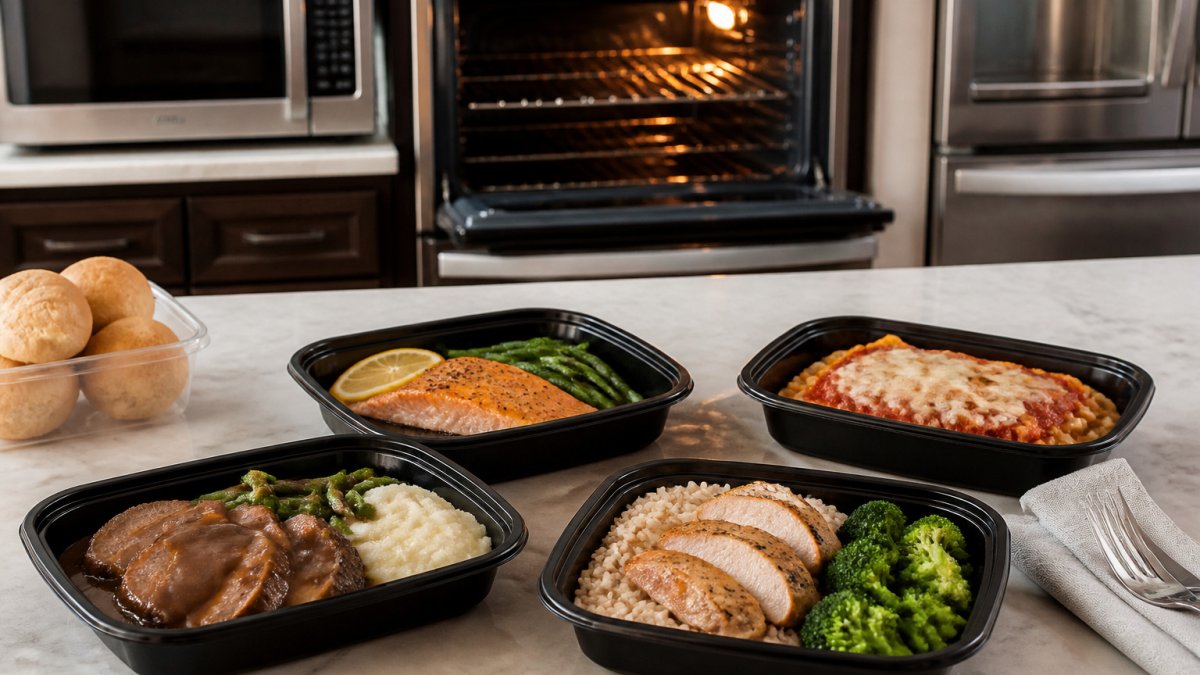
The goal is to bring the center to a safe temperature without overcooking the edges. At Leo's Gourmet Market, our daily menu is made for home reheating, so every entrée arrives in an oven-safe container with heating instructions on the label. Follow those instructions first, then use the methods below to adjust for your own kitchen.
Last Updated: October 30, 2026
How to Reheat Prepared Meals in the Oven
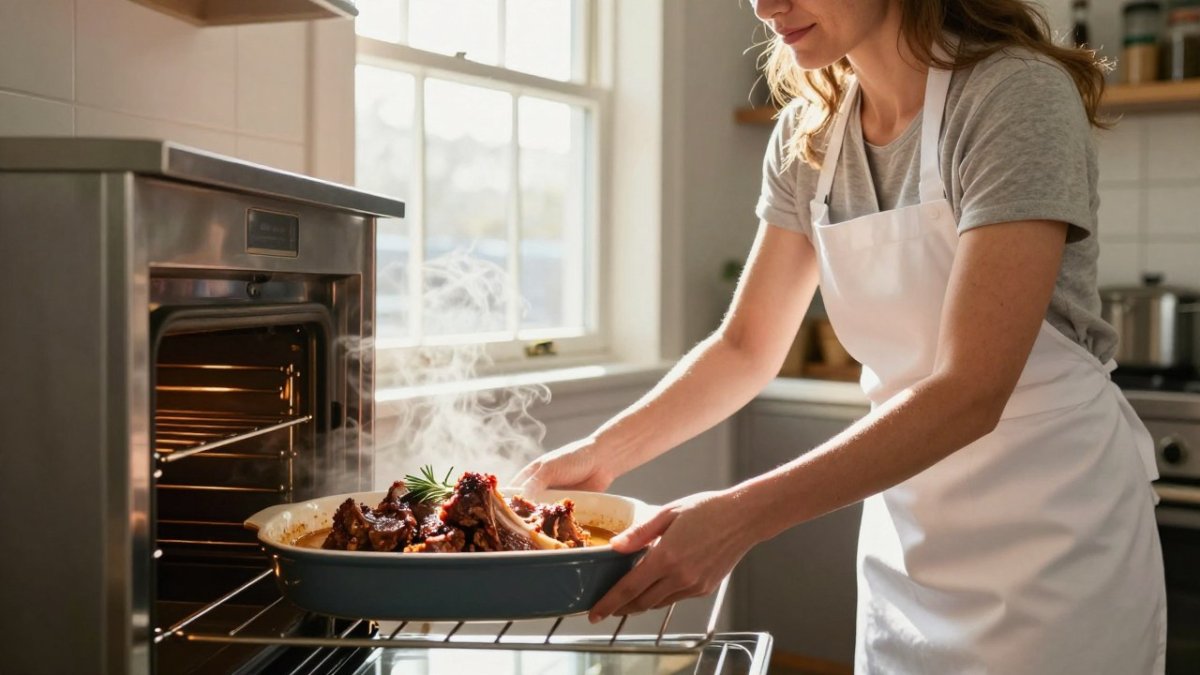
The oven is the most reliable way to reheat a prepared meal evenly. Set it to a moderate temperature, remove the lid, cover the dish with foil and heat until the center is steaming. Pull the foil off for the last few minutes if you want a lightly browned top.
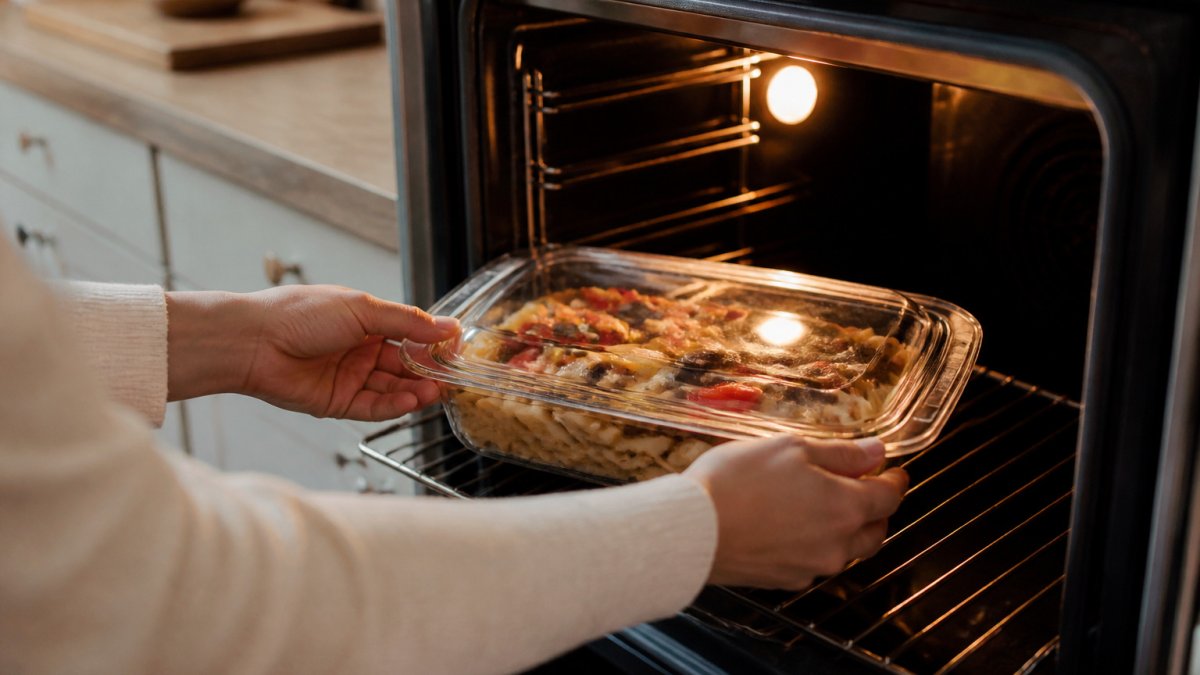
Here is a quick guide to get you started:
| Dish Type | Oven Temperature | Typical Time (covered) |
|---|---|---|
| Pasta and roasted vegetables | 350°F | 20-25 minutes |
| Braised meat | 325°F | 25-35 minutes |
| Casseroles and bakes | 350°F | 25-30 minutes |
Oven Settings and Timing by Dish Type
Lower temperatures suit delicate sauces and dairy-based dishes, because high heat can cause them to separate. Denser dishes like braised meats need a longer, gentler warm-up. Always check the center with a food thermometer.
Reheating Food in the Oven Versus the Stovetop
Each method has trade-offs. The oven heats large portions evenly and keeps crusts and toppings intact. The stovetop is faster for single servings and gives sauces more control, but it requires stirring and attention.
- Oven: Best for casseroles, roasted dishes and family-size portions. Takes 20 to 35 minutes.
- Stovetop: Best for soups, stews and sauced pastas. Takes 8 to 12 minutes over medium-low heat, with a splash of water or broth added to prevent sticking.
Choose the oven when texture matters most. Choose the stovetop when you are short on time.
How to Reheat Food Without a Microwave
You do not need a microwave to reheat a meal well. A covered skillet over medium-low heat works for most entrées, and a steamer basket set over simmering water works for vegetables and rice. Add one to two tablespoons of water or stock to the pan and cover it, so the steam gently warms the food.
Watch out: high heat in a dry pan scorches sauces and dries out proteins quickly, so keep the heat low and check often.
TO SEE OUR DAILY MENU CLICK HERE!(CONCORD COMMONS LOCATION ONLY) →
How to Reheat Artisan Bread So It Stays Crisp
Fresh artisan bread loses its crust when it is wrapped in plastic or microwaved. To bring it back, wrap the loaf loosely in foil and warm it at 350°F for 8 to 10 minutes. If you are still deciding where to buy it, our guide to ordering fresh artisan bread online explains how to order a loaf that is ready to reheat. Unwrap it for the final two minutes to re-crisp the crust. Slices can go straight into a toaster or a dry skillet.
Reheating Meals With Separate Sauces and Sides
Heat the components separately whenever you can. Warm the main dish in the oven, then reheat sauces on the stovetop and keep crisp sides like roasted potatoes in their own pan. This prevents soggy textures and keeps each element tasting like it should.
If a meal arrives with sauce packed separately, add the sauce after the main dish is hot. Pouring cold sauce over a warm entrée and reheating them together often causes the sauce to break.
Checking Your Meal Is Hot Enough and Ready to Serve
Before serving, check the center of the thickest piece with a food thermometer. It should read 165°F. Stir sauces and casseroles, since heat can collect at the edges and leave the middle cool. Let the dish rest for two to three minutes so the temperature evens out.
If you are feeding guests, keep the dish covered until you serve it to hold the heat.
Pick Up a Ready-to-Heat Dinner at Leo's Gourmet Market
If you would rather skip the cooking, Leo's Gourmet Market offers freshly prepared entrées in oven-safe containers, rotated daily. Check the daily menu to see what is ready to heat today. For larger gatherings, our catering menu covers options from small family dinners to bigger events. You can also read our guide to ordering chef-prepared meals for pickup to learn the steps.
For current prices or a quote, contact Leo's Gourmet Market directly. Pricing depends on quantity, dates and delivery.
Frequently Asked Questions
What is the best way to reheat prepared meals?
For most prepared meals, the oven gives the most even results. Heat it covered at 325 to 350 degrees Fahrenheit until the center is steaming, which usually takes 20 to 35 minutes depending on portion size and whether the dish started chilled. Covering the container traps moisture so the meal does not dry out. Remove the lid for the last few minutes if you want a lightly browned top. Stir or check the center before serving, since thick dishes can be hot on the edges and cool in the middle. Leo's Gourmet Market labels its entrées with heating instructions, so follow those first.
How do you reheat a meal without making it dry?
Add a small amount of liquid before heating, such as a spoonful of broth, water or sauce, and cover the container tightly. Low, steady heat works better than high heat, which drives moisture out of proteins and starches. Reheat in a single layer when possible and stop as soon as the food is steaming throughout. Meals with sauces usually stay moist well, while dry proteins like roasted chicken benefit most from a splash of liquid and foil.
Is it better to reheat food in the oven or the stovetop?
The oven is better for casseroles, baked pasta, and anything with a crust or a top you want to brown. The stovetop is faster for soups, stews, and sauced dishes that you can stir as they warm. Use a covered skillet or saucepan over medium-low heat and stir often to prevent scorching. Both methods work well for most entrées, so choose based on the dish and how much time you have.
How do you know when reheated food is hot enough?
Food should reach an internal temperature of 165 degrees Fahrenheit to be safe to eat. A food thermometer inserted into the thickest part of the dish is the most reliable check. Without one, look for steam rising from the center and bubbling at the edges of sauces. Stir thick dishes and check again in several spots, since microwaved or oven-heated food can be uneven. Eat leftovers within three to four days of cooking, and do not reheat the same portion more than once.